🚗 Dash cam guide
Is a Dash Cam Legal in India? Law, Evidence and Insurance Claims
The legal position
There is no Indian statute or Motor Vehicles rule that bans a dash cam. Recording a public road from your own car is lawful, and police across Indian cities routinely accept dash cam clips with complaints.
The one practical rule is visibility: nothing fixed to the windscreen should obstruct the driver's view. A compact camera tucked behind the rear-view mirror, inside the area the wipers clear, does not. A large screen in the middle of the glass might attract attention at a checkpoint.
Using footage as evidence
- Save it immediately: press the emergency/lock button (or say 'lock video' on voice-control cameras) so loop recording cannot overwrite the clip. Most cameras lock automatically when the G-sensor detects an impact.
- Copy, don't move: download the clip to your phone through the app and copy the original file from the card to a computer. Keep the original exactly as recorded — no trimming, filters or music.
- Time and GPS stamps matter: make sure the camera's clock is right (GPS sets it automatically) so the clip's time matches the incident.
- For a court: video is an electronic record. Lawyers usually produce it with a certificate under Section 63 of the Bharatiya Sakshya Adhiniyam, 2023, describing the device and how the copy was made.
- For the police: share the clip with your complaint or FIR and note the date, time and location. Many city traffic police also accept clips of traffic violations through their apps or social media handles.
Dash cams and insurance claims
Insurers do not need dash cam footage to settle a claim, but it removes the argument about fault. For a third-party claim it shows the other vehicle's number and what it did; for an own-damage claim it shows how the damage happened.
Send the surveyor a copy (or a cloud/Drive link) and keep the original. A camera with GPS adds your speed to the record, which is often the first question asked.
Note
Privacy: where the line is
- Recording what is visible on a public road for your own safety is fine.
- Posting clips online that identify people — faces, number plates — with accusations attached can expose you to defamation complaints. Blur plates and faces before posting, or share only with the police and your insurer.
- In a cab, tell passengers the cabin is recorded; many fleet operators put a sticker in the car. Most 3-channel cameras let you switch cabin audio off.
Frequently asked questions
Can police object to a dash cam?
Is dash cam footage accepted in Indian courts?
Does a dash cam reduce my car insurance premium in India?
Can I record audio inside my car?
Still not sure which dash cam fits?
Tell us your city and situation. We will give you a straight answer — including when the honest answer is that you do not need to spend much at all.
Shortlists that follow this advice
Read next
Our current top dash cams
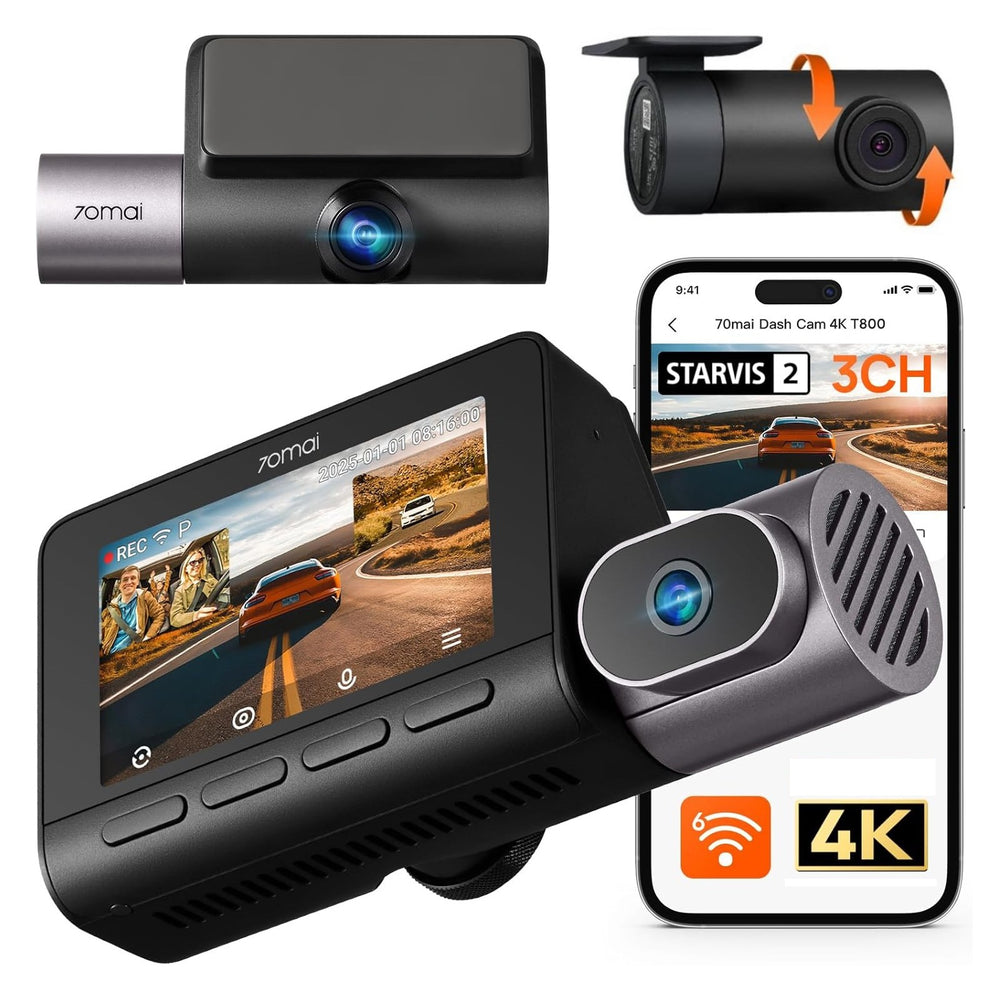
70mai T800 4K+FHD+FHD 3-Channel Dash Cam
70mai
Cab, taxi and fleet drivers who need the cabin on record
View details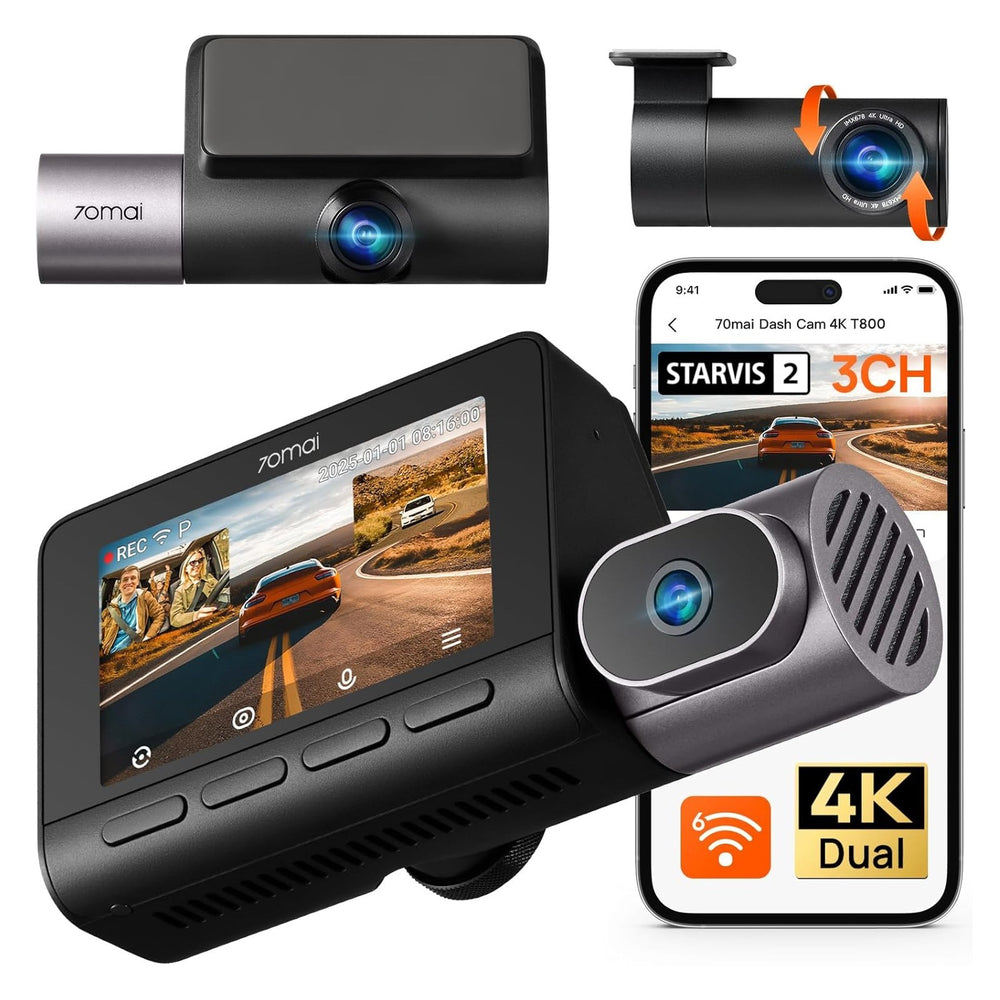
70mai T800 4K+4K+FHD 3-Channel Dash Cam
70mai
Cab, taxi and fleet drivers who need the cabin on record
View details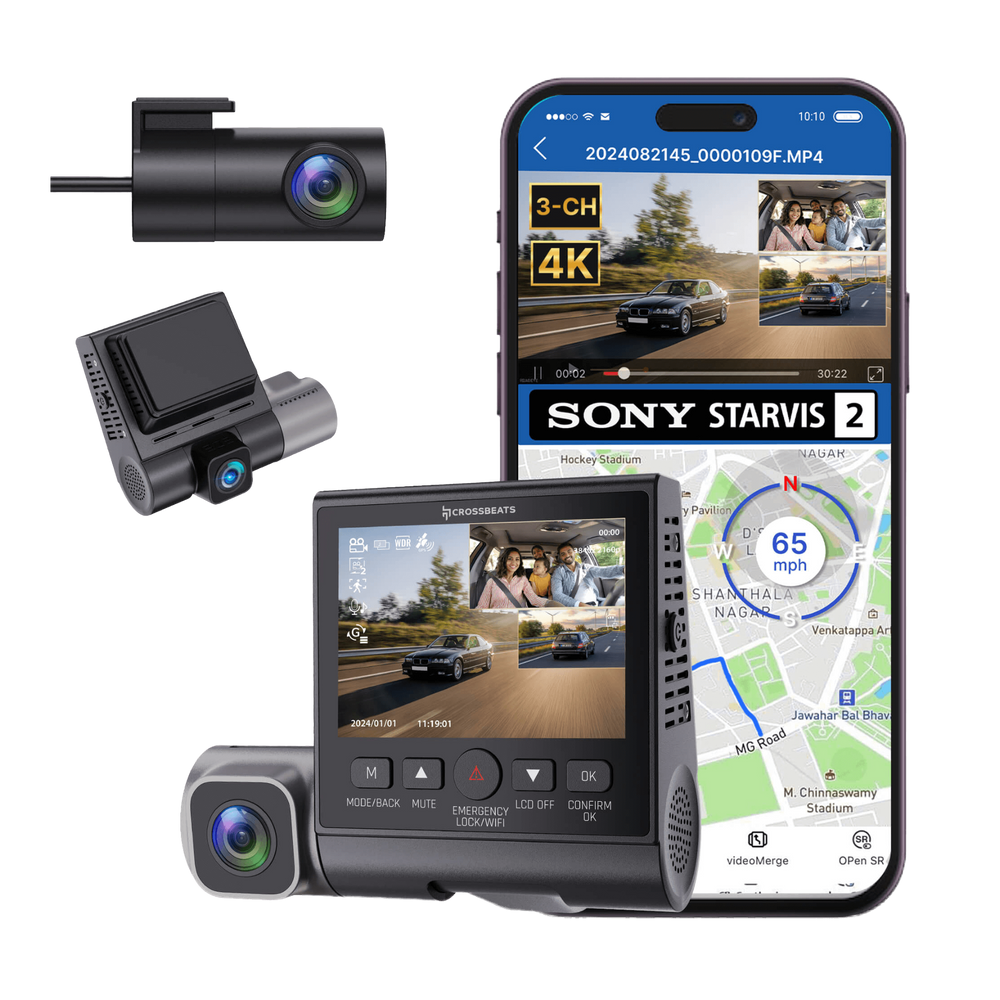
Crossbeats RoadEye DC04 4K 3-Channel Dash Cam
Crossbeats
Cab, taxi and fleet drivers who need the cabin on record
View details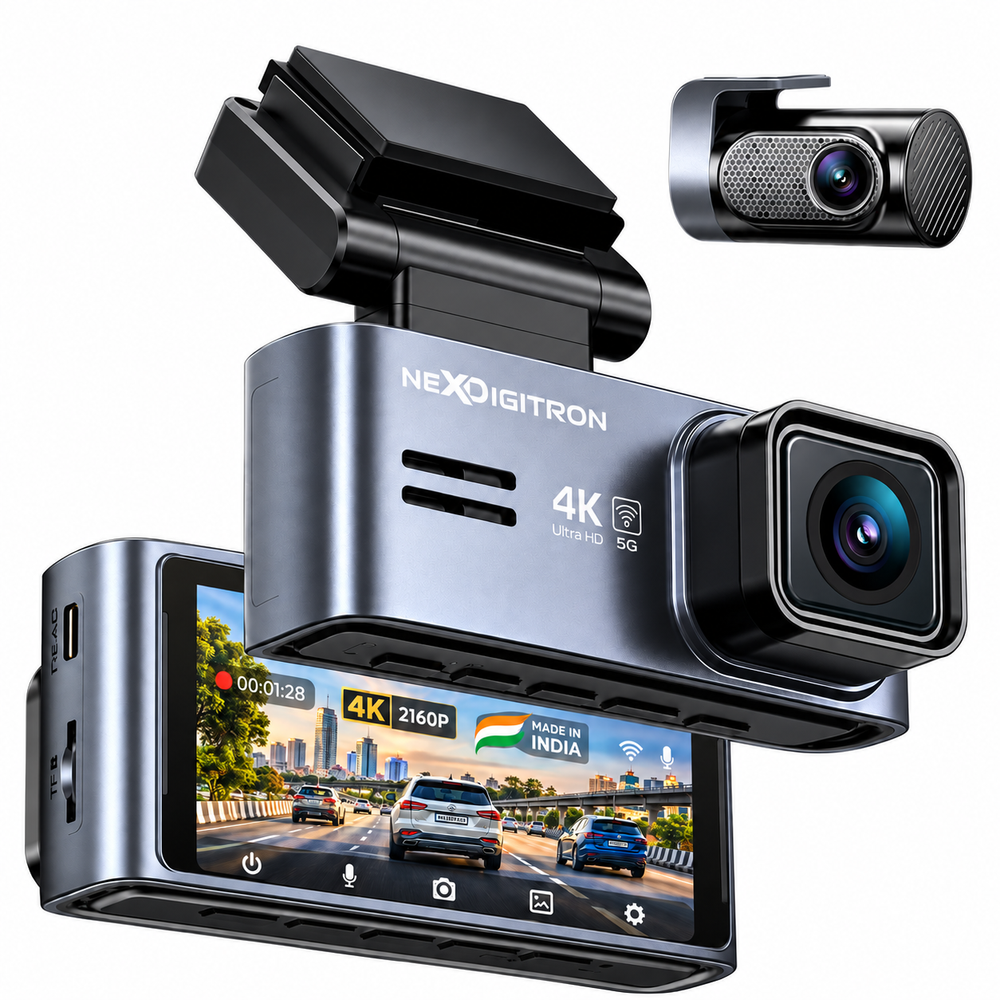
NEXDIGITRON Prime Plus 4K Dual Dash Cam
NEXDIGITRON
Daily commuters who want front and rear evidence
View details