🧊 Air conditioner guide
How to Choose an Air Conditioner in India (2026 Buying Guide)
1. Size the AC to the room, not the showroom
Tonnage is cooling capacity: one ton removes 12,000 BTU of heat an hour, or 3,517 W. Indian brands publish room bands that work out to about 90 BTU per hour for each square foot of a middle-floor room with a 10 ft ceiling, which is far more than American guides suggest, because an Indian room starts from 40°C outside and sits behind brick that stores heat all day.
Buying bigger is not a safety margin. An oversized AC hits the set temperature before it has pulled the moisture out, so the room feels cold and damp, and it cost more. Undersizing is worse: the AC runs flat out and still loses on a hot afternoon. Our tonnage calculator adjusts for floor, sun, ceiling height, city and occupancy.
| Room | Middle floor | Top floor with afternoon sun |
|---|---|---|
| Up to 100 sq ft | 0.8-1 ton | 1 ton |
| 120 sq ft | 1 ton | 1.5 ton |
| 150-180 sq ft | 1.5 ton | 1.5-2 ton |
| 200 sq ft | 1.5 ton | 2 ton |
| 250 sq ft | 2 ton | Two units |
| 300 sq ft+ | Two units | Two units |
2. Inverter, almost always
An inverter compressor speeds up to cool a hot room and slows down to hold the temperature, instead of switching fully on and off. It uses less electricity over a summer, holds the room steadier and is quieter at night. On the units we compare, fixed-speed survives mainly in window ACs and the cheapest splits.
"Dual", "hexa" and "AI" inverter are brand names, not efficiency grades. The number that tells you how efficient an inverter is is ISEER.
3. Star rating, ISEER and annual units
The BEE star label is cut from ISEER — the cooling an AC delivers per unit of electricity over a typical Indian season. On the inverter splits we compare, 3-star units run ISEER 3.9-4.5 and 5-star units 5.05-5.85. The label also declares annual units over a 1,600-hour season, which is the most direct comparison: multiply by your tariff.
Whether 5-star is worth it depends on hours. A 1.5 ton 5-star declares about 650-700 units a year against about 865-880 for a 3-star — roughly ₹1,400-₹1,900 a year at ₹8 a unit — for a price gap of ₹7,000-₹15,000. For long nights all summer, 5-star pays; for a few evening hours, 3-star is the smarter buy. LG, Voltas and Carrier do not publish ISEER on their product pages, so read the label on the unit.
Tip
5. Rated ambient temperature and coil protection
Rated ambient is the highest outdoor temperature at which the brand says the AC keeps cooling. Most mainstream units are rated to 52°C; the best to 54-56°C. On a top floor in Delhi, Nagpur or Rajasthan, where the outdoor unit sees temperatures above the forecast, that headroom is the difference between a cool room and a warm one in May. Daikin publishes the most useful version — full rated capacity at 46°C on its ATKM50XV.
A copper condenser with an anti-corrosion coating (Blue Fin, Gold Fin, Ocean Black) lasts longer in coastal and polluted air and can be repaired in the field. Almost every current mid-range unit has one.
6. Warranty, installation and service
- Compressor and PCB are the parts that cost real money. Look for 10 years on the compressor and 5 on the PCB; Haier offers 12 on the compressor.
- Standard installation usually covers about 3 metres of copper pipe. Extra pipe, an outdoor stand, a core-cut and a dedicated socket are charged separately — get rates in writing first.
- Ask the installer to vacuum the lines before releasing refrigerant. Skipped vacuuming is the commonest cause of poor cooling and early compressor failure.
- Buy the brand that services your pin code quickly. In May and June installers are booked out; Voltas and Blue Star have the widest networks.
Frequently asked questions
Which AC should I buy for my home?
Which is the best AC brand to buy in India?
When is the best time to buy an AC in India?
What should I check before AC installation?
Still not sure which air conditioner fits?
Tell us your city and situation. We will give you a straight answer — including when the honest answer is that you do not need to spend much at all.
Shortlists that follow this advice
Read next
Our current top air conditioners
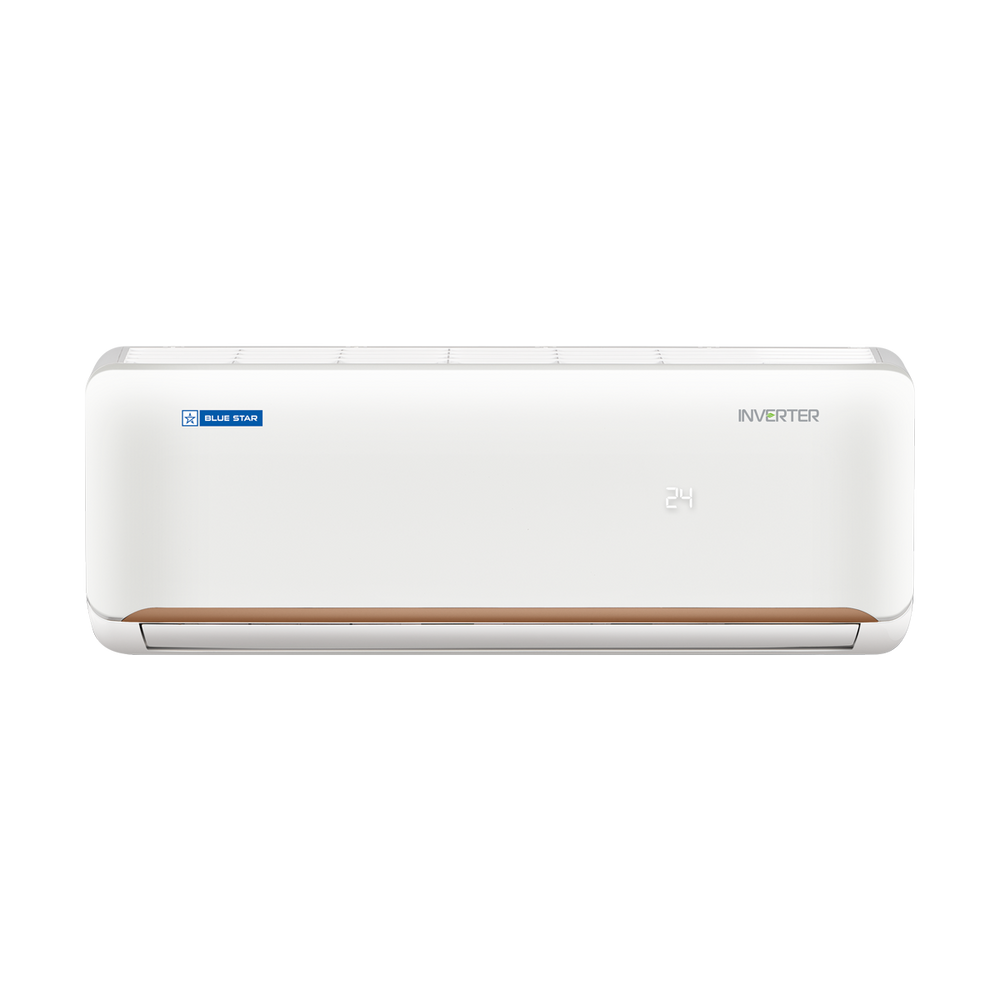
Blue Star 1.5 Ton 5 Star Inverter Split AC IC718QCUS
Blue Star
- 1.5 ton
- 5 star
- Split
A main bedroom or living room run for long nights through summer
View details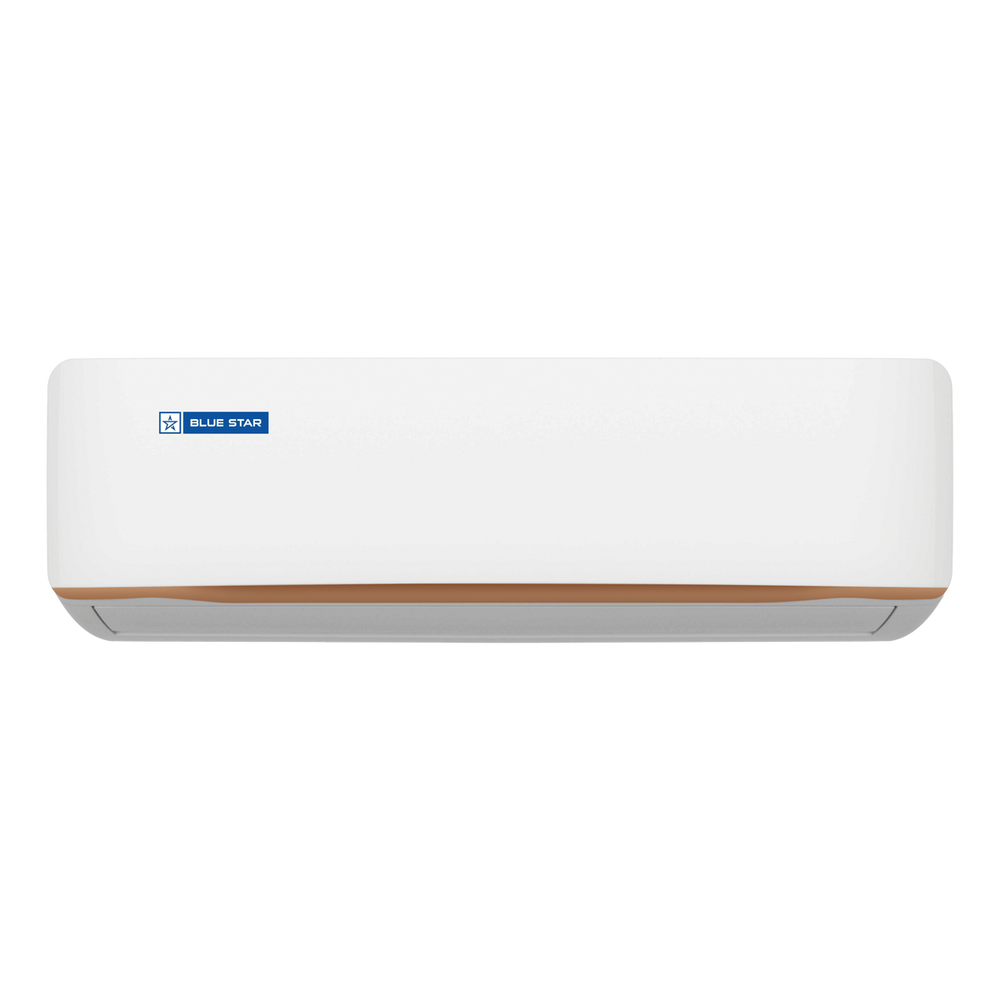
Blue Star 1.5 Ton 5 Star Inverter Split AC IA518GXUS
Blue Star
- 1.5 ton
- 5 star
- Split
Families who want to cap how much electricity the AC can use in a month
View details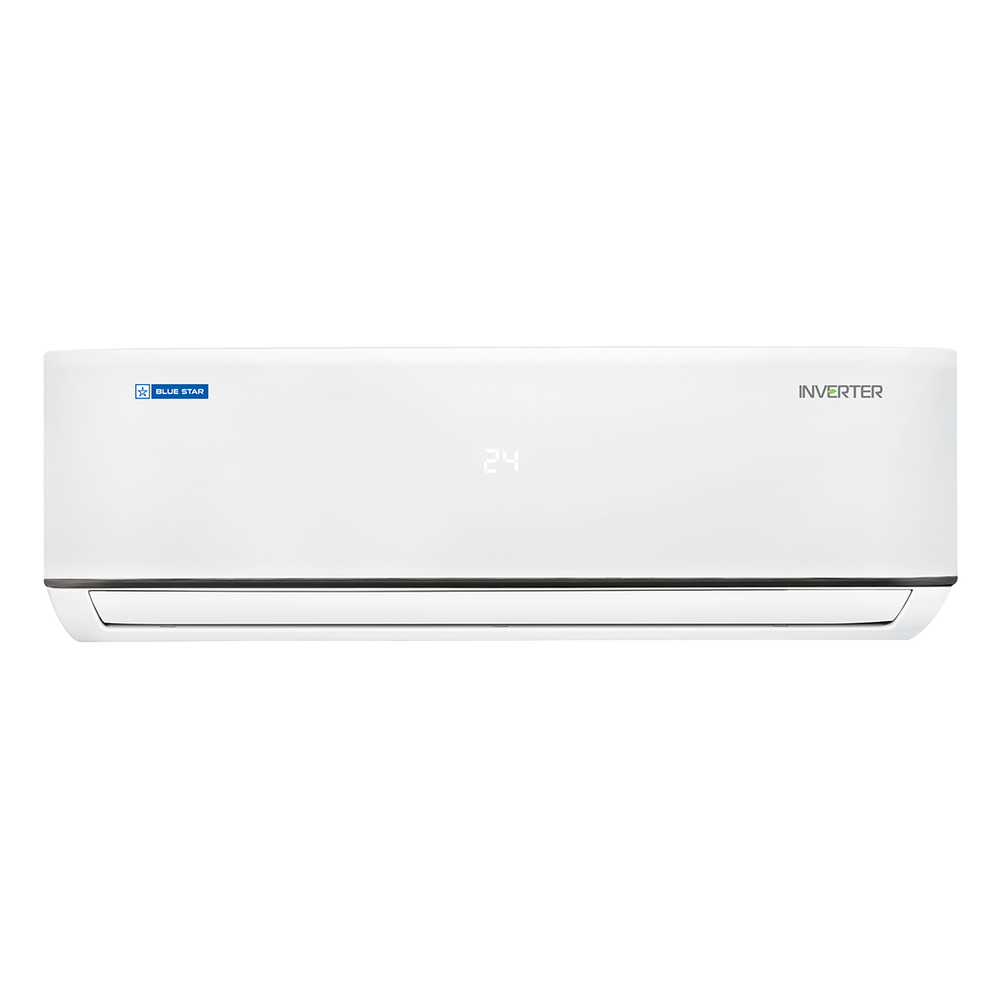
Blue Star 2 Ton 5 Star Inverter Split AC IC524DNUR
Blue Star
- 2 ton
- 5 star
- Split
Halls and living rooms of 200-230 sq ft run for long hours
View details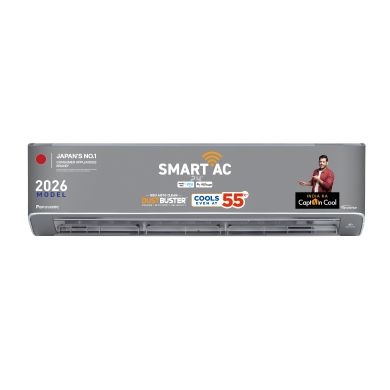
Panasonic 1.5 Ton 5 Star Wi-Fi Inverter Split AC CS/CU-HU18CKY5XFMH-P
Panasonic
- 1.5 ton
- 5 star
- Split
Smart-home households in polluted cities
View details