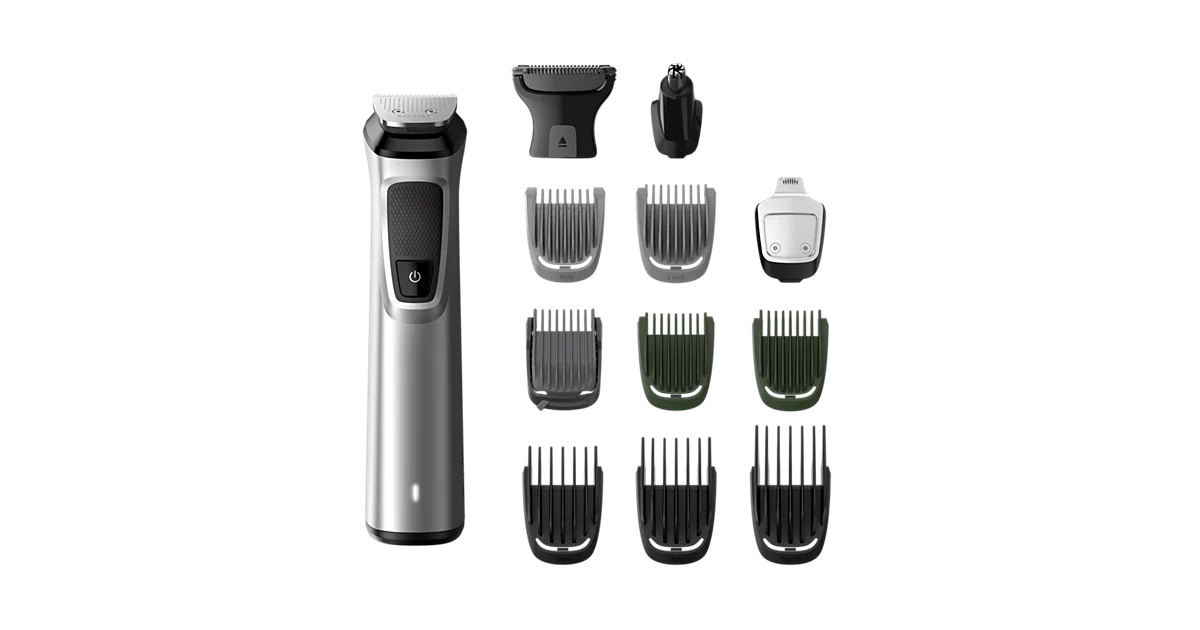
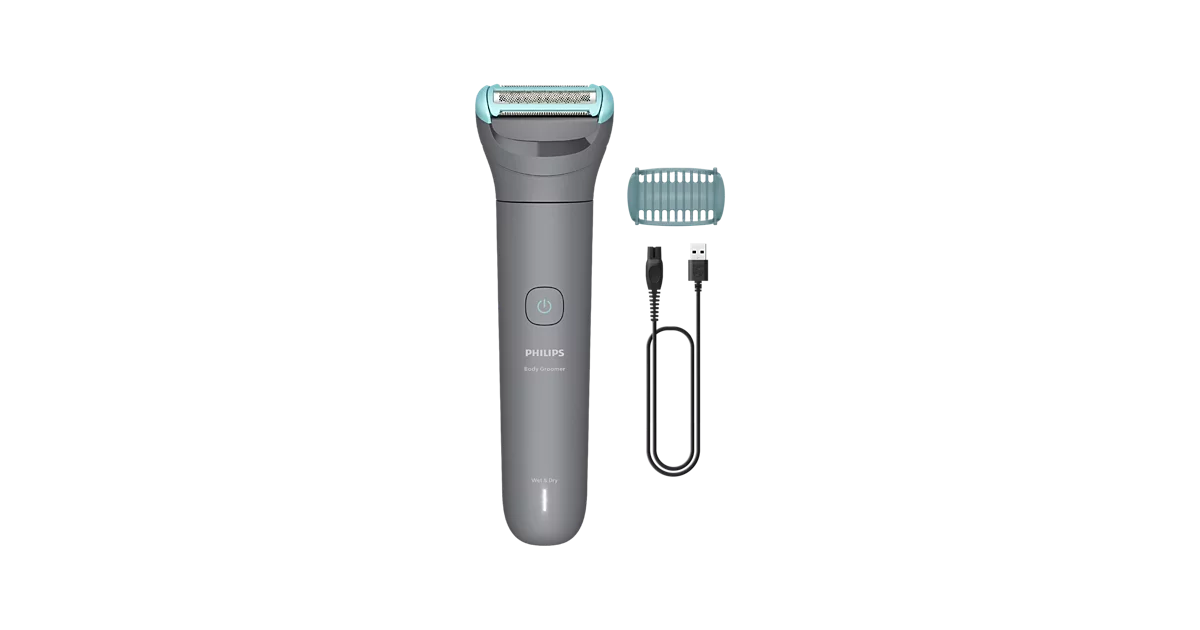
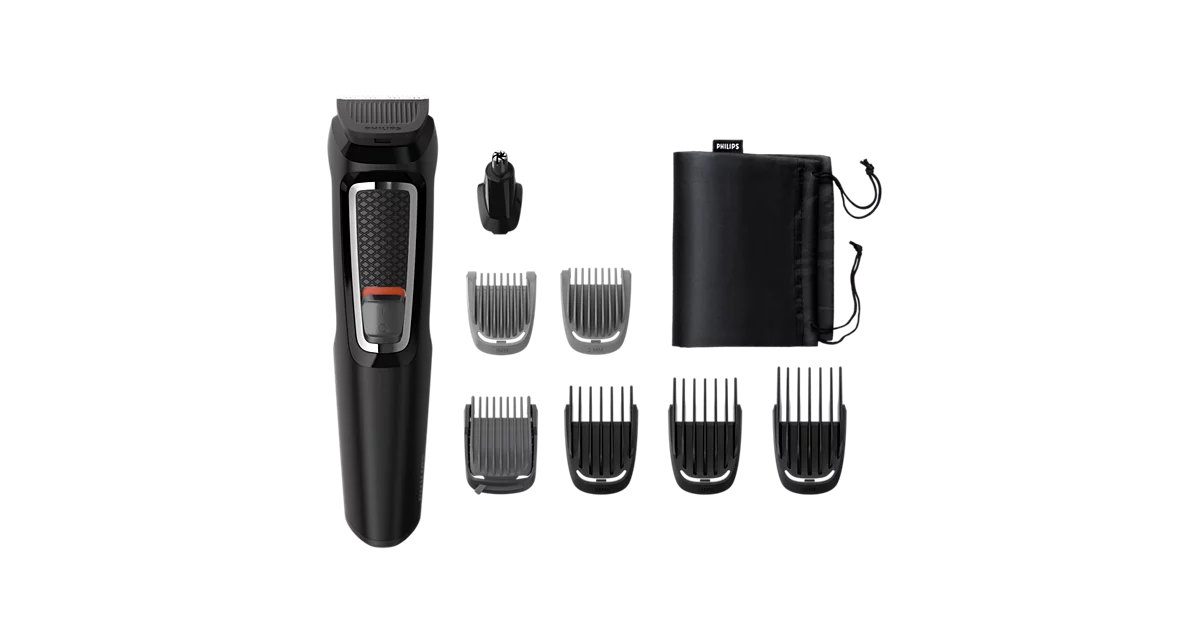
Two specifications decide whether a grooming device is still in daily use three years after you buy it, and neither is the one the packaging leads with. The first is blade metallurgy. Self-sharpening blades — Philips DuraPower and DualCut, Panasonic's nanopolished edges — stay sharp for roughly four to five years with no oil and no replacement, while the uncoated stainless on sub-₹700 trimmers is measurably blunt within twelve months and cannot be usefully re-bladed. The second is spares availability: a lost comb or a worn foil should be a ₹300 problem, not the end of a ₹1,500 machine, and in tier-2 and tier-3 India that is a question about the brand's distribution rather than the product.
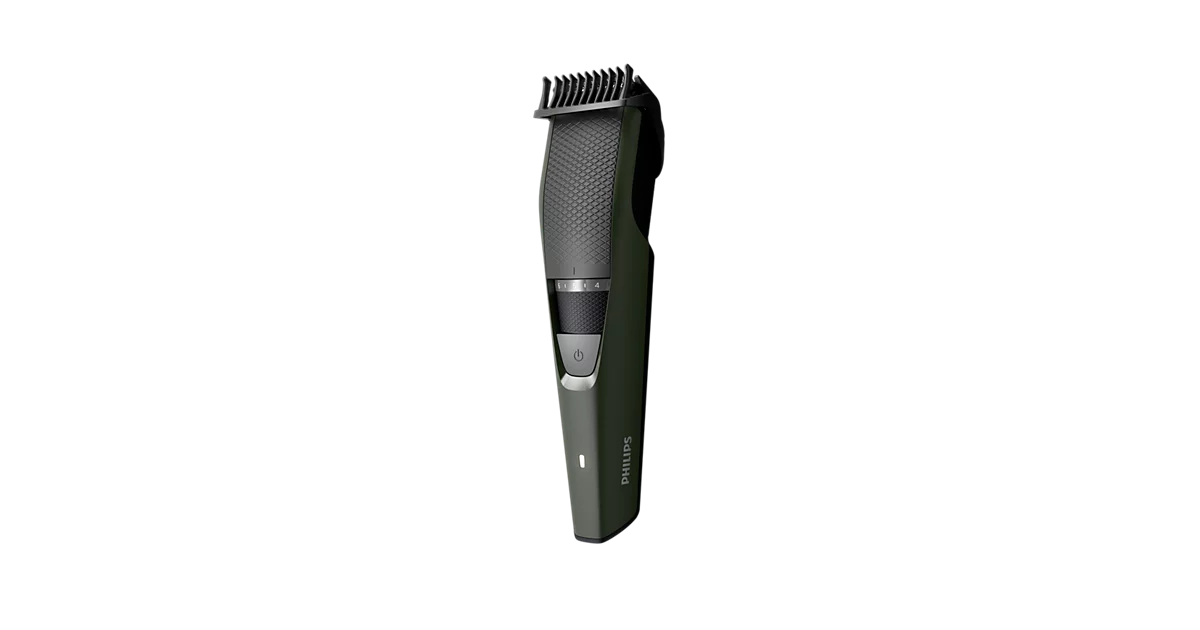
The terminology trap here is 'waterproof'. A genuine IPX7 rating means the whole device can be immersed and rinsed; 'washable' or 'splash-resistant' — which is what the popular Philips BT-series trimmers actually offer — means only the detachable head goes under the tap while the body must stay dry. The distinction decides whether you can groom in the shower, which is where most body grooming realistically happens, and Indian listings blur it constantly. Below about ₹1,100 there is nothing genuinely IPX7 worth recommending, whatever the listing says.
The sizing trap is the length you actually want. A 0.5 mm stubble setting, a genuine 0.0 mm zero-cut line and a 1 mm minimum are three different machines, and no amount of technique bridges the gap. Philips does not sell a true zero-cut trimmer in India at any price, which is precisely why the Beardo and VGR T9-style category exists. Work out your shortest length first and the shortlist writes itself — that one decision eliminates more wrong purchases in this category than any other.
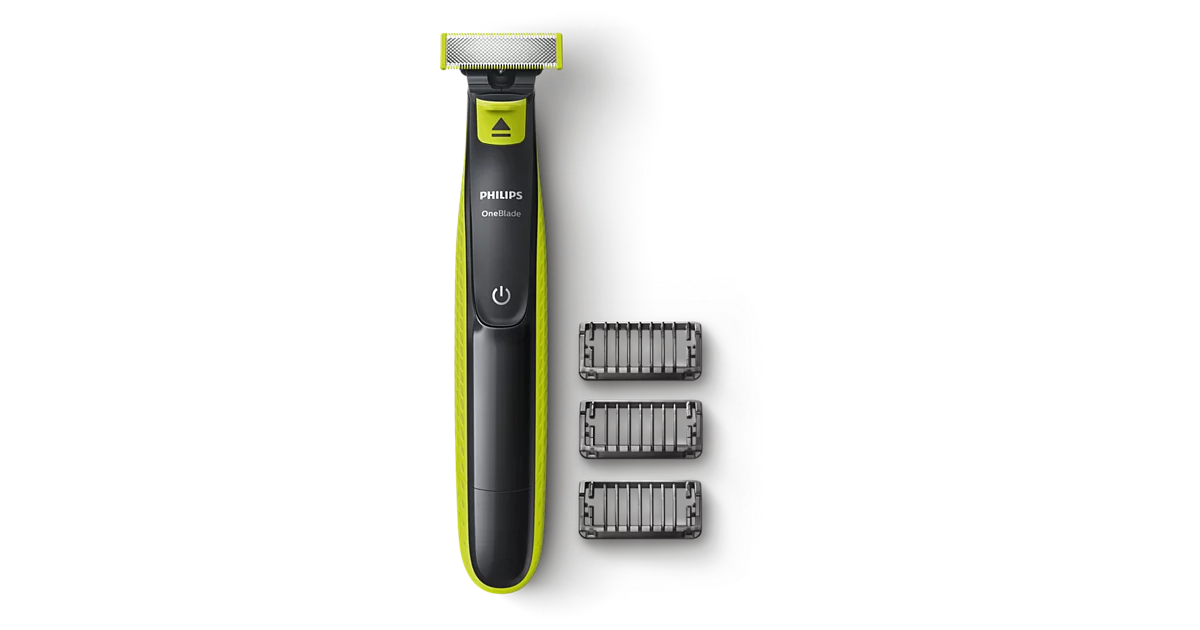
Finally, budget the consumables before comparing sticker prices, because grooming hides its real cost there. A Philips BT3211 costs nothing to run for four years. A Philips OneBlade costs about ₹2,700 a year in blades — more than the device itself. A Braun Series 9 needs a ₹6,000 cassette every 12 to 18 months. All three are excellent; they are simply not comparable on purchase price alone, and the five-year figure frequently reverses the ranking you would guess from the shelf.