How to read our recommendations: comparisons use published specifications, listed prices and editorial assessments. Scores are not measured performance results. Our
lab section publishes protocols; it currently has no completed test results. Prices and availability can change after the check date shown.
Research and scoring method ·
Affiliate disclosure.
If you are on treated municipal supply, there is a real chance you do not need an RO purifier — and buying one anyway costs you money, wastes water, and strips minerals for no benefit. This page exists because almost nobody selling purifiers will tell you that.
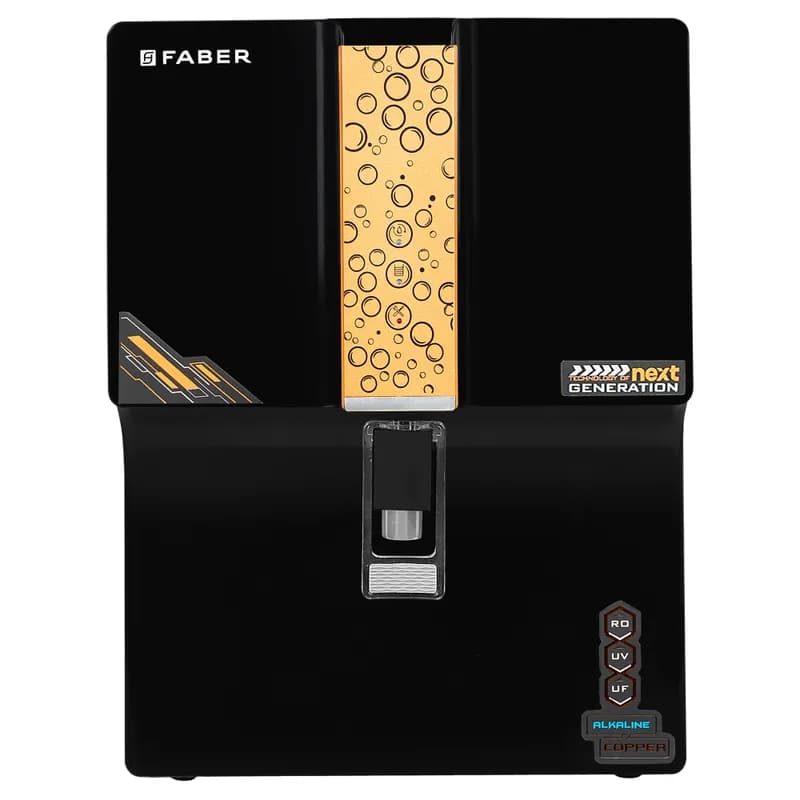
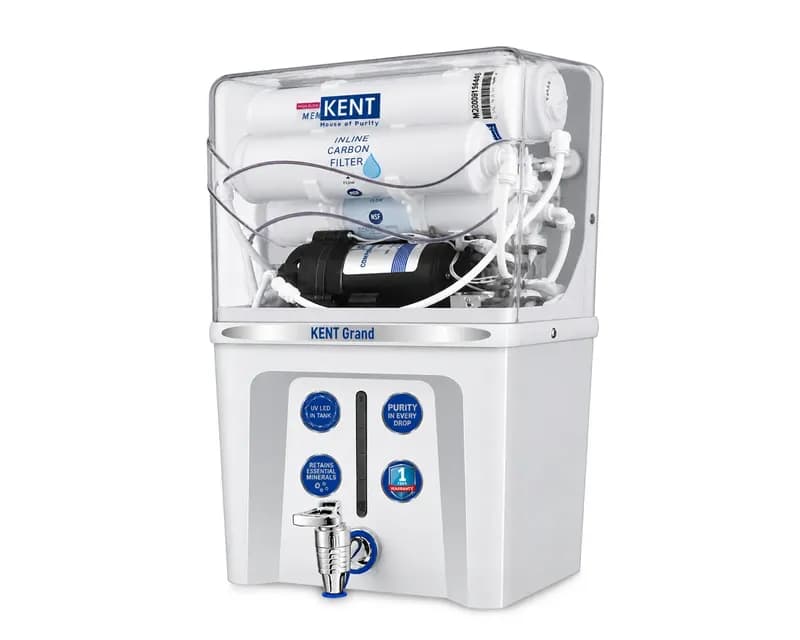
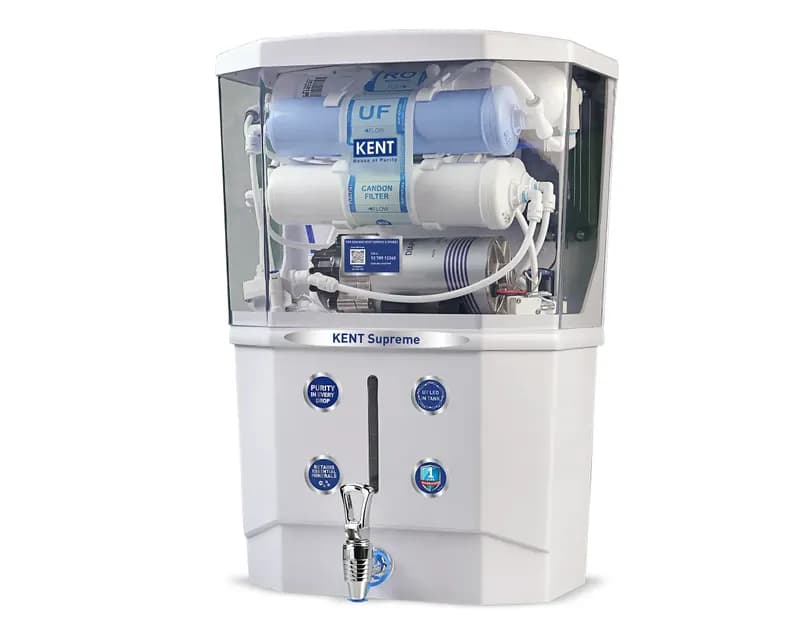
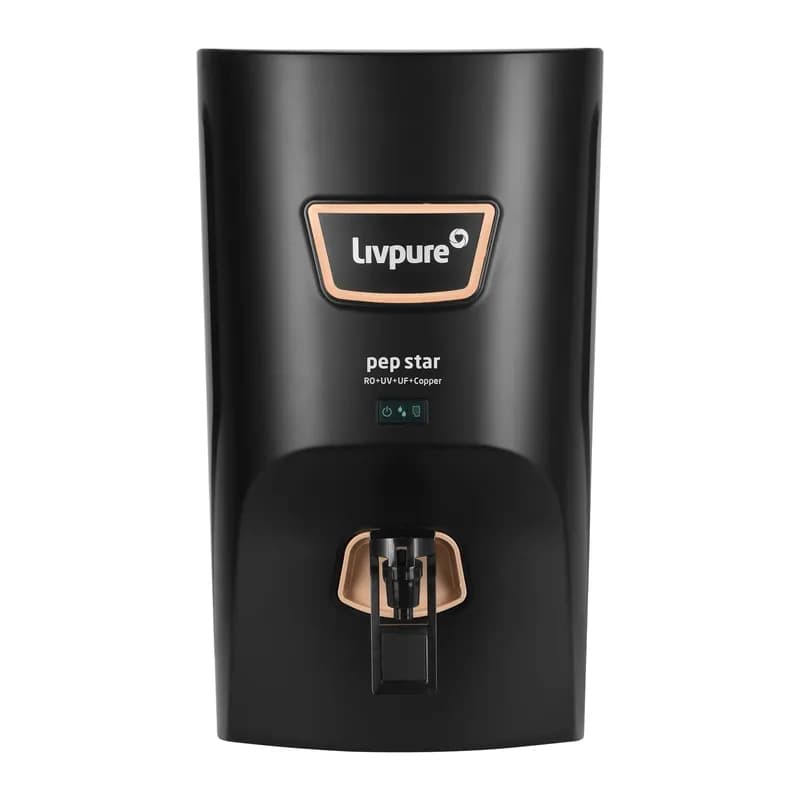
Test your TDS first. Below 200 ppm, a UV+UF purifier is the technically correct choice: it removes the microbiological risk that actually threatens you (pipeline breaches, contamination in old building plumbing, post-monsoon issues) while keeping calcium and magnesium and wasting no water. Between 200 and 300 ppm, either works. Above 300 ppm, buy RO.
Two exceptions override the TDS reading. If your city or locality has a documented arsenic, fluoride or nitrate issue — parts of Bengal, Assam, Bihar, Rajasthan and Punjab do — buy RO regardless of TDS, because UV cannot remove dissolved contaminants. And if your supply is blended with borewell water seasonally, design for the borewell months.
The other very common municipal complaint is chlorine taste. That is an activated-carbon problem, not an RO problem, and even a ₹2,290 filter jug fixes it.