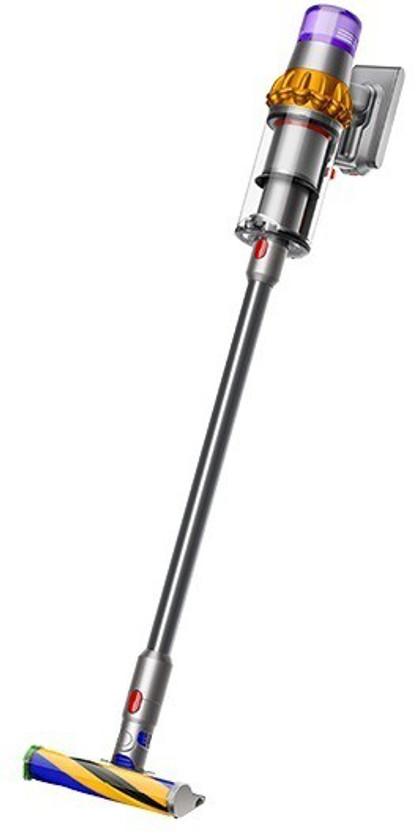
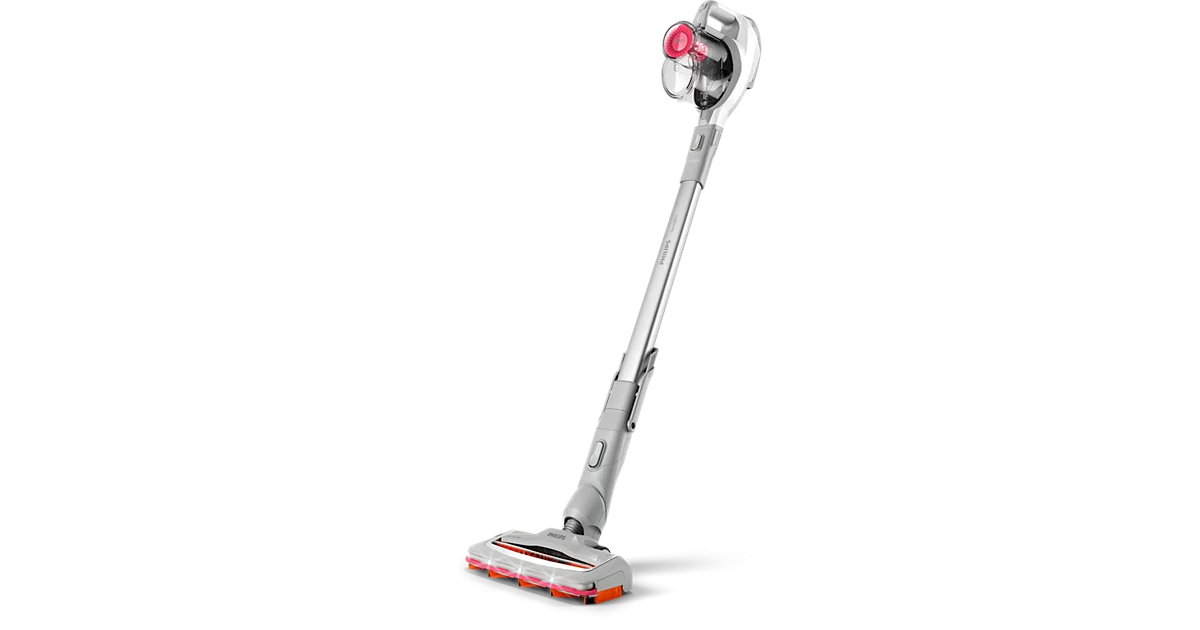
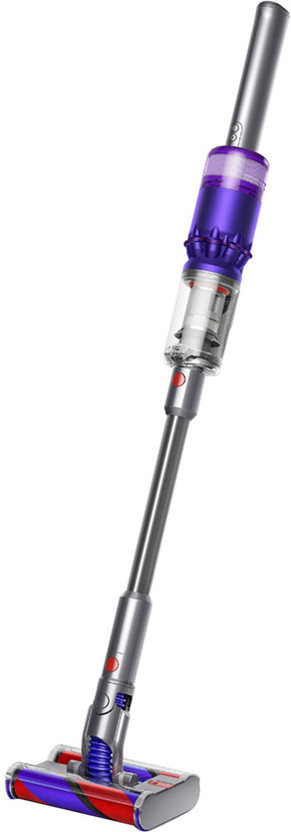
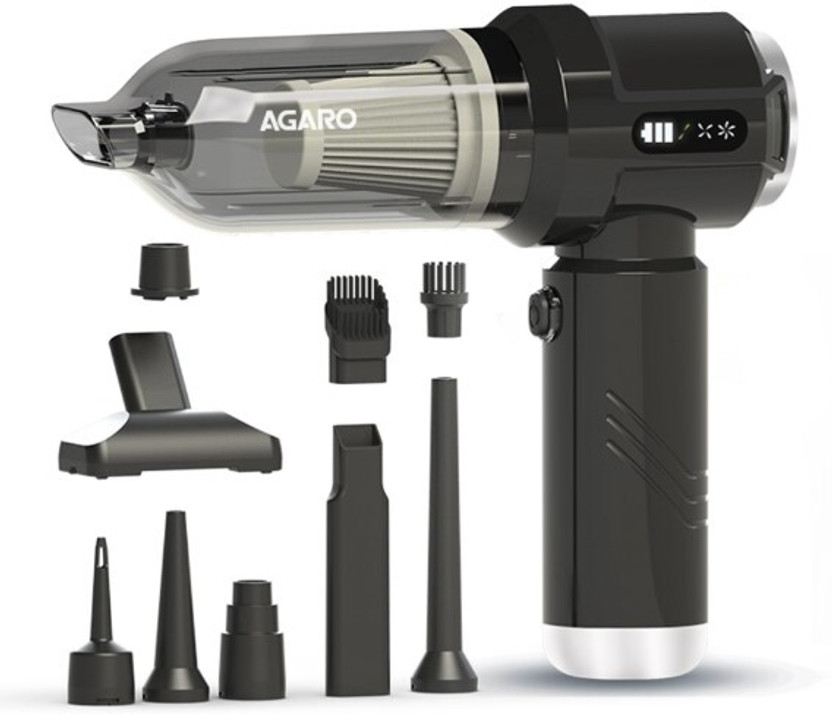
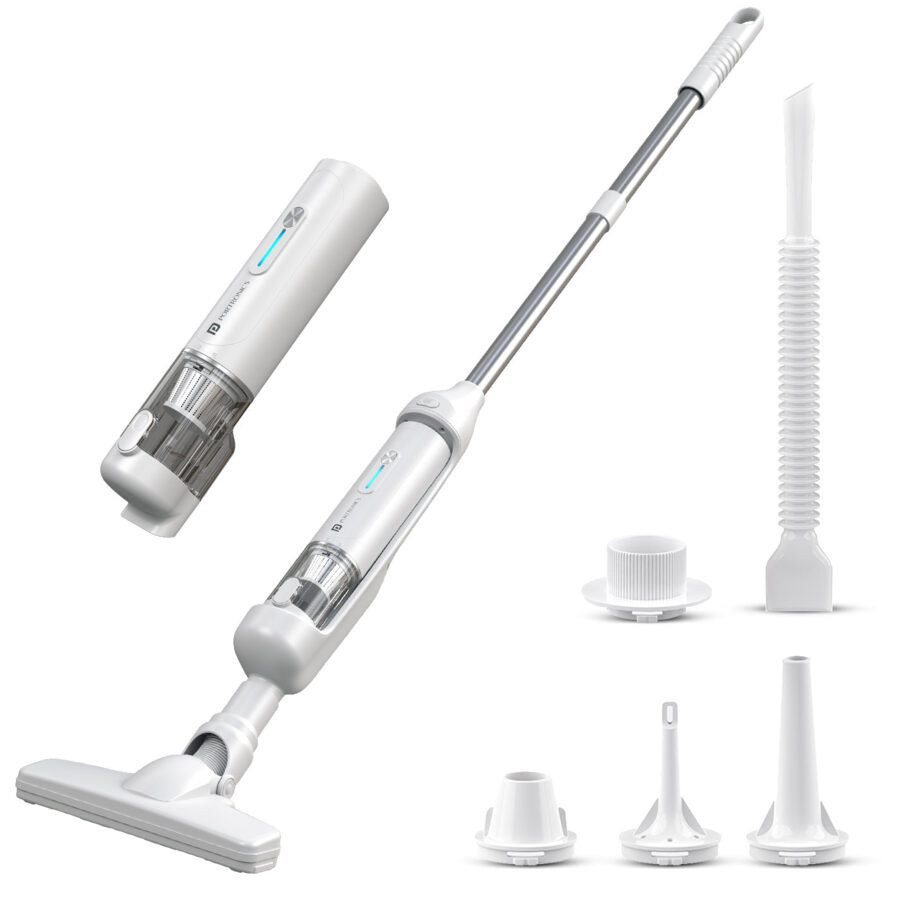
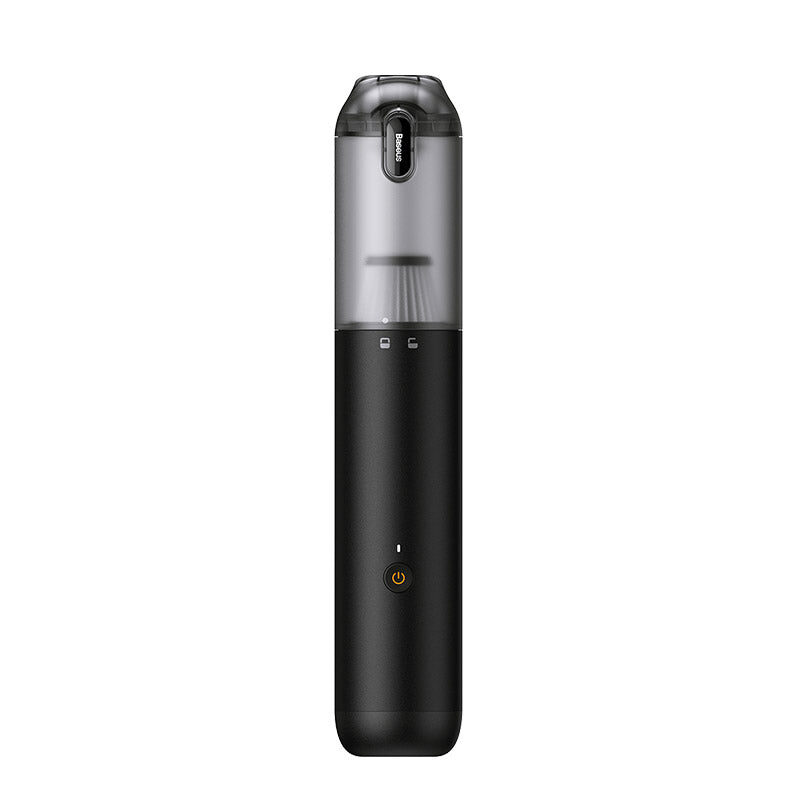
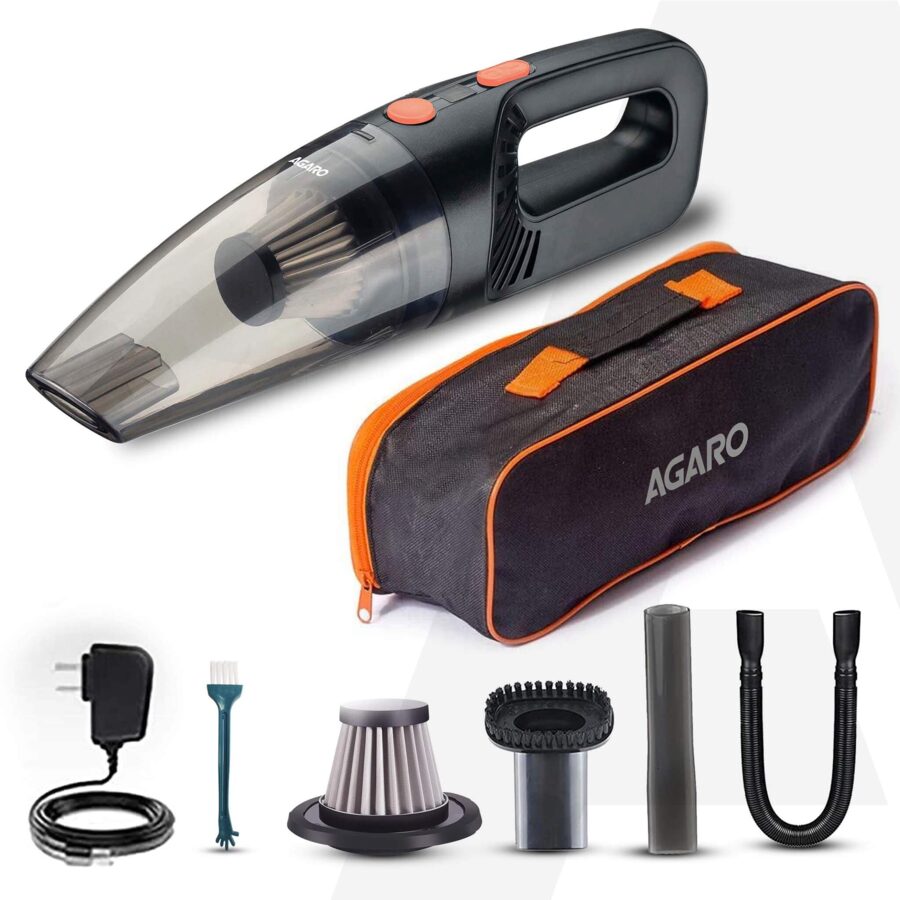
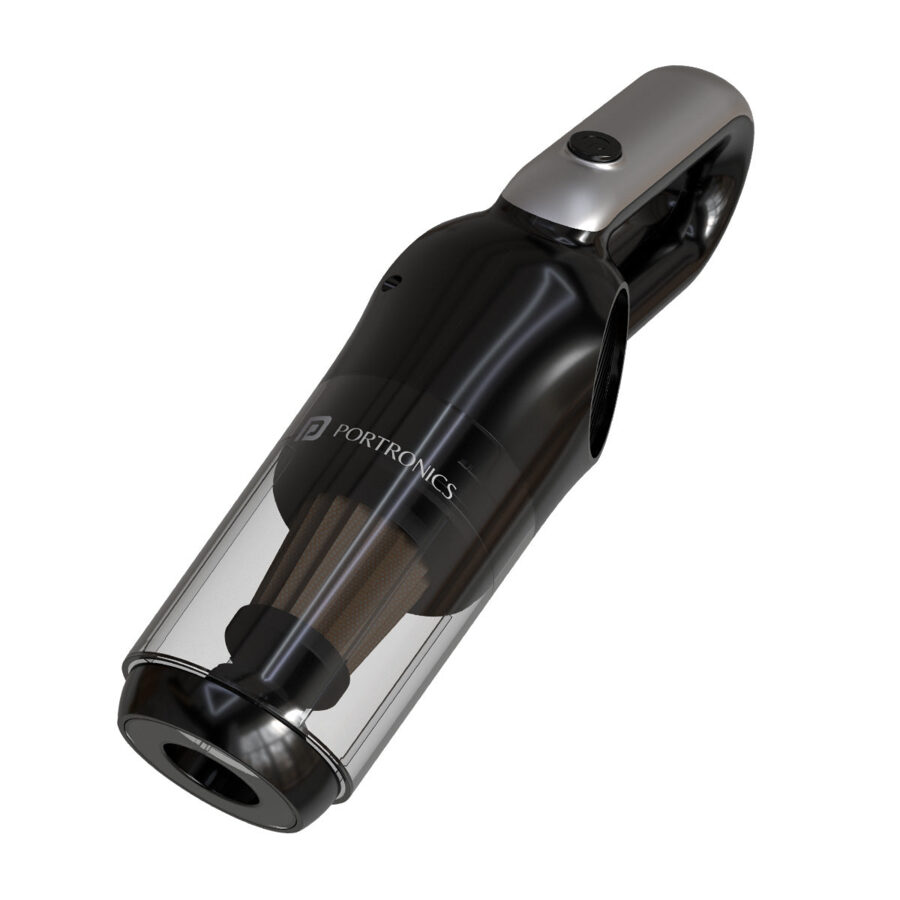
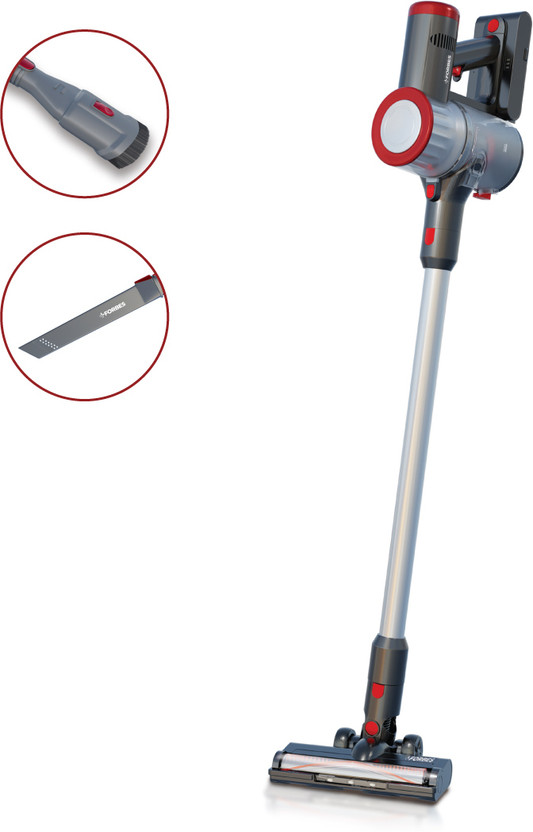
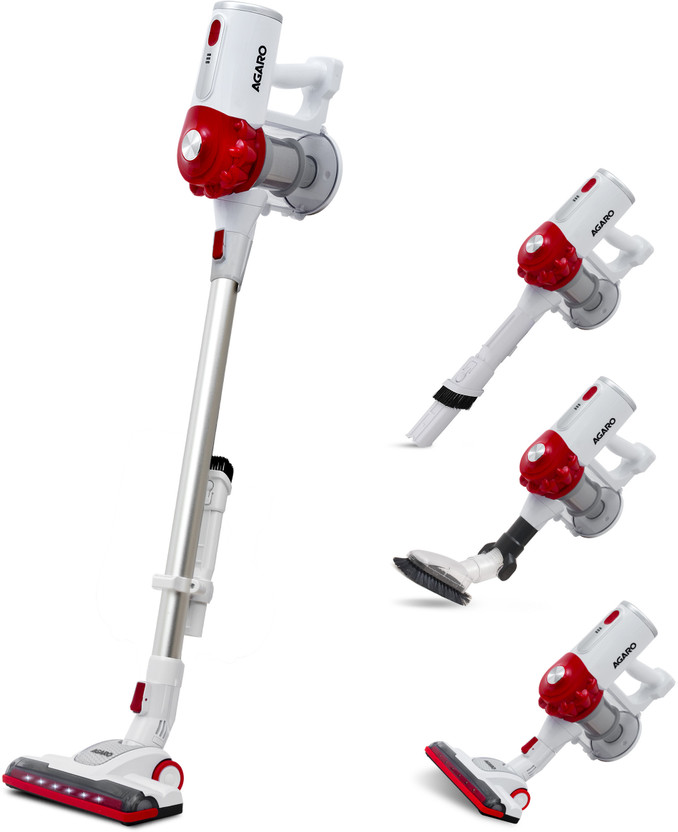
A cordless vacuum is bought for one reason and it is not cleaning power: it is that the machine gets picked up on a Tuesday evening instead of staying in the cupboard. Every corded vacuum on this site cleans better per rupee than every cordless one. The cordless wins anyway in most homes, because the best vacuum is the one that actually gets used, and dragging a canister and its cord out for two minutes of spilled dal is a thing people stop doing.
The specifications that matter are sealed suction, runtime at a realistic power setting, and weight. Treat manufacturer runtime claims as best-case: they are measured in eco mode with a non-powered tool, and a motorised floor head roughly halves them. Under about ₹8,000 you are buying a light-duty machine for surface dust on hard floors — genuinely useful, but not a carpet cleaner and not a substitute for a proper corded vacuum.
One number decides more wrong purchases here than any other: the wattage on the box. Motor watts measure the electricity the motor draws, not the dirt it lifts. What lifts dirt is sealed suction — air watts, or kilopascals — and a well-sealed 1,000 W machine routinely out-cleans a leaky 2,000 W one. Where a brand publishes air watts or kPa we lead with it below; where a brand quotes only motor watts, that is usually because the honest figure is unflattering.