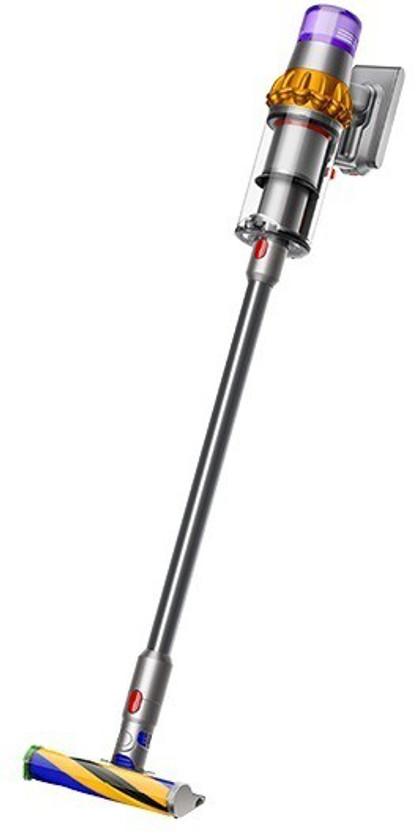
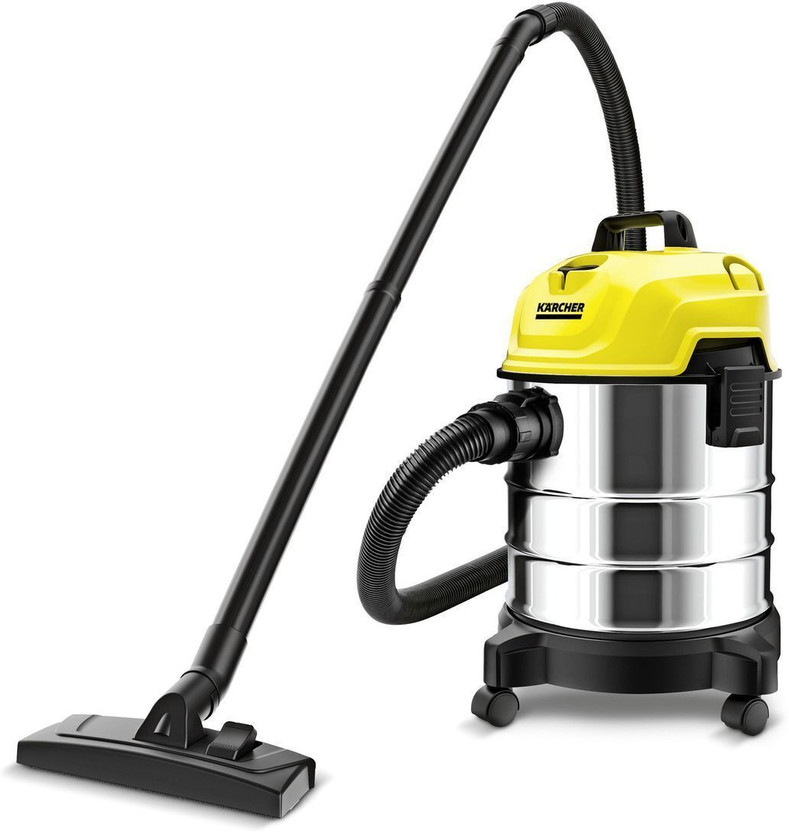
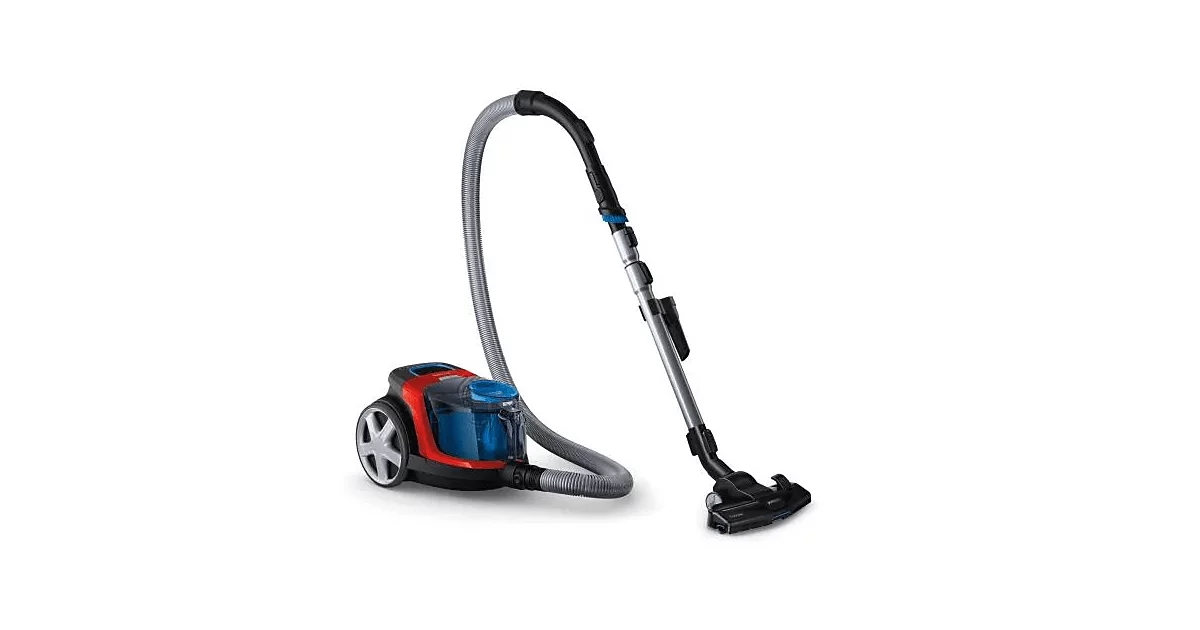
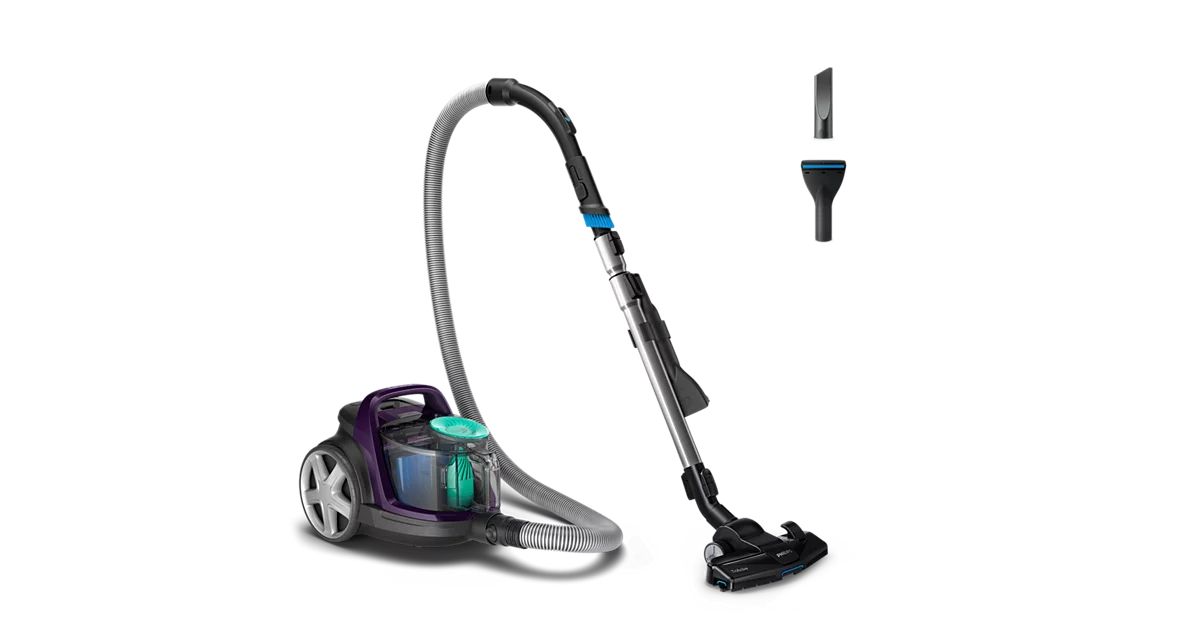
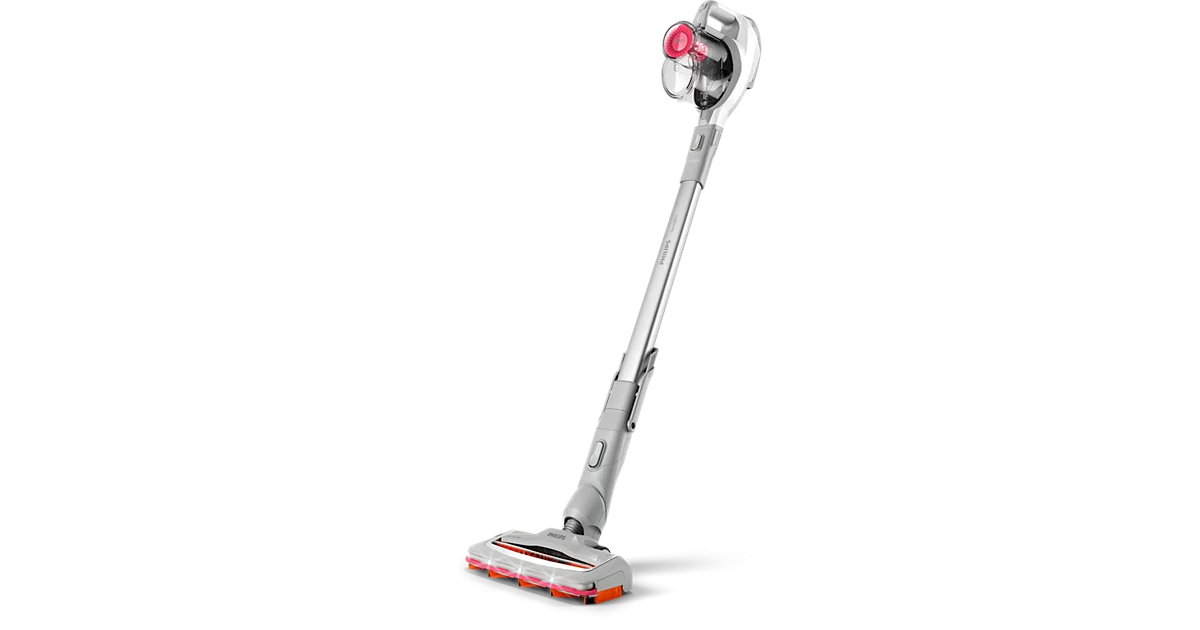
One number decides more wrong vacuum purchases in India than every other specification combined, and it is the wattage printed on the box. Motor watts measure the electricity the motor draws, not the dirt it lifts. What lifts dirt is sealed suction, published either as air watts or as kilopascals — and a well-sealed 1,000 W machine routinely out-cleans a leaky 2,000 W one. Philips quotes 370 air watts on a 1,800 W canister; Kärcher quotes 18 kPa; Dyson quotes 240 air watts. Where a brand quotes only motor watts, it is almost always because the honest figure is unflattering.
The second decision is form factor, and it should be made from your flooring rather than your budget. Most Indian homes are tiled, marble or granite, which is the easiest surface to clean and the reason a modest cordless or a robot can be genuinely sufficient here where it would not be in a carpeted country. Carpet is the opposite: it needs a motorised brush bar to agitate the pile plus real sealed suction to pull grit through it, which is exactly what budget cordless machines cannot do. If you have significant carpet, that single fact eliminates most of the market for you.
Wet-and-dry is the format Indian buyers most often overlook and most often need. Monsoon ingress, an overflowing washing machine, a flooded bathroom and post-renovation dust are all jobs no dry vacuum can touch without destroying itself. The specification that separates a good wet-and-dry from an irritating one is the filter: cheaper drums make you swap the dry filter out before vacuuming liquid, so in practice people either ruin the filter or stop using the wet function entirely. A cartridge filter rated for both removes the decision.
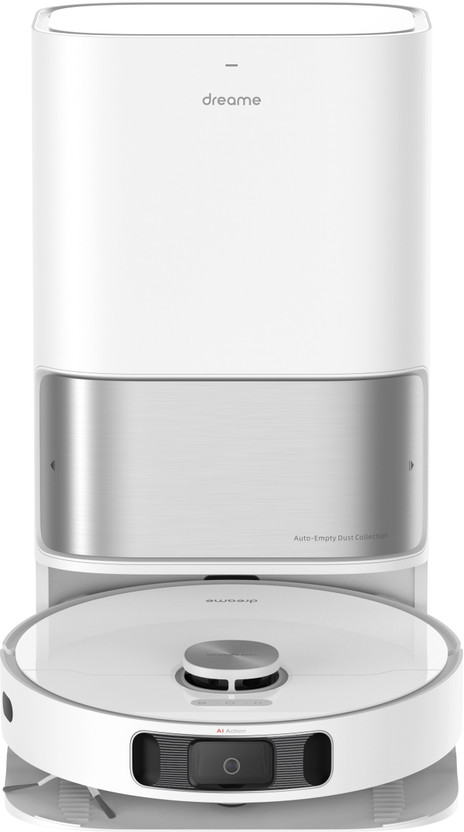
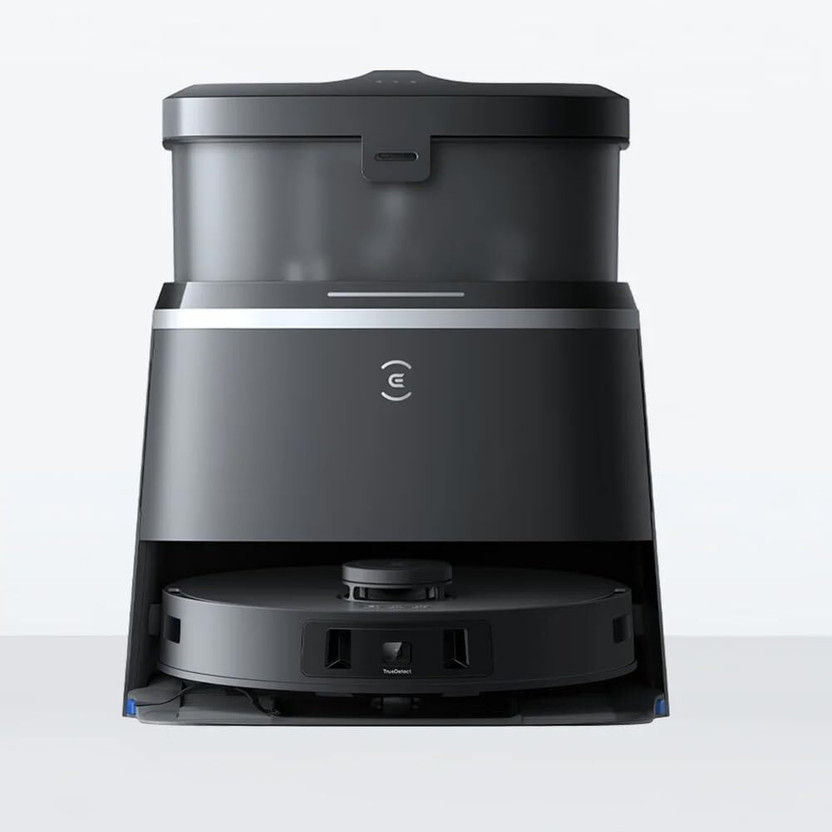
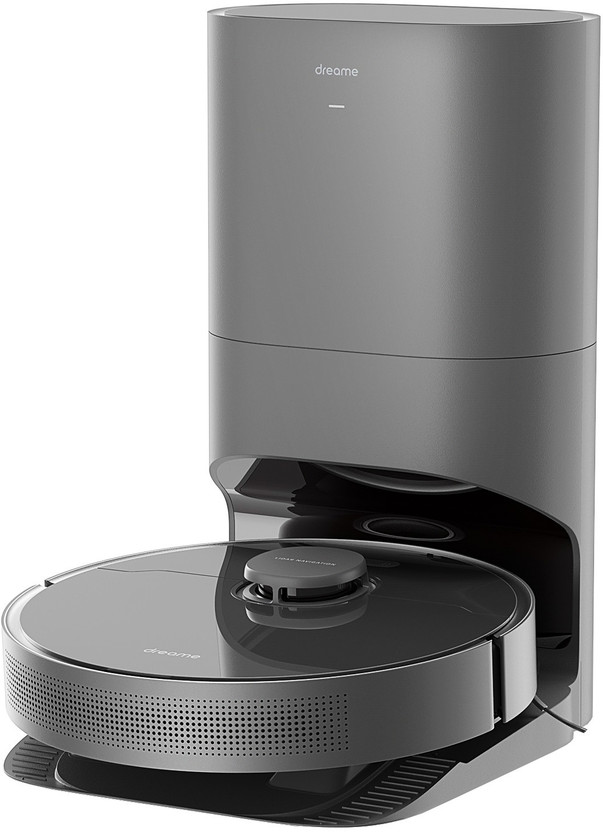
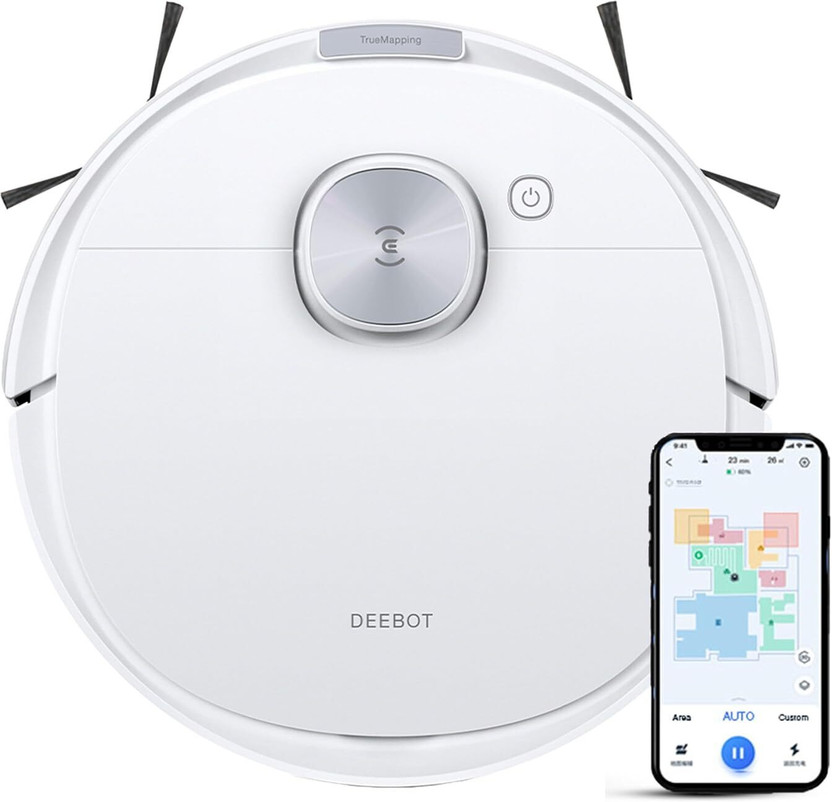
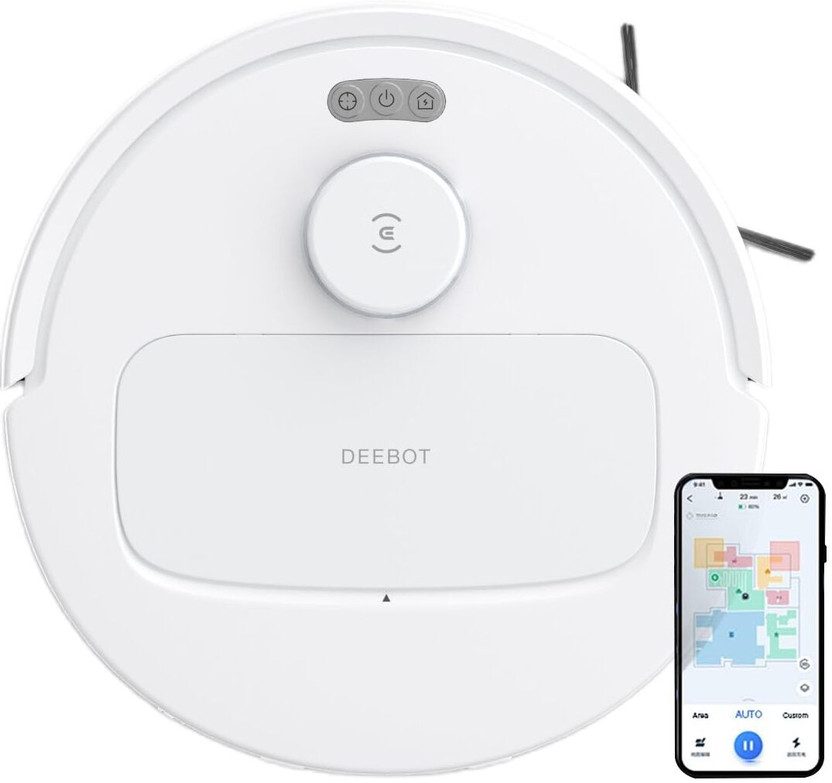
For robot vacuums, ignore suction first and look at navigation. A LiDAR robot maps your home, plans a route, covers every square metre once and accepts no-go zones. A gyroscopic or random-navigation robot cleans by probability — it will do most of the floor most of the time, miss the same corner for a month, and cannot be told where not to go. Two India-specific checks follow: confirm the rated obstacle climb clears your door sills, where 20 mm is the number that matters, and be honest about whether your floors will be kept clear enough for it to run.
Finally, weigh service before you weigh specifications. Most budget brands here — AGARO, Lifelong, Amazon Basics — run courier-in warranties, meaning a fault costs you a fortnight without the machine. Eureka Forbes and KENT run genuine technician networks, Philips and Kärcher have real spares channels, and on a robot vacuum with a complex dock that difference matters more than any pascal figure. Outside a metro, it is often the whole decision.