🧺 Washing machine guide
Washing Machine Buying Guide for Indian Homes (2026)
Step 1: Front load vs top load vs semi-automatic
This is the decision that shapes everything else — price, water use, wash quality and where the machine can go.
- Choose FRONT LOAD if you want the best wash and the lowest water bill, and can accept a higher price and longer cycles.
- Choose TOP LOAD if you want speed, easy loading (no bending), and a lower price — the most popular choice in Indian homes.
- Choose SEMI-AUTOMATIC if budget is tight or your water supply is irregular or low-pressure.
| Front load | Top load (fully automatic) | Semi-automatic | |
|---|---|---|---|
| Typical price | ₹25,000–₹65,000 | ₹13,000–₹45,000 | ₹8,000–₹18,000 |
| Wash quality / fabric care | Best — tumbling action | Good — agitator or pulsator | Basic |
| Water per load | Lowest | Higher | You control it |
| Cycle time | Longest (1–2.5 h) | Shorter (45–90 min) | Shortest, but manual |
| Spin (dryness) | 1,000–1,400 rpm | 700–850 rpm | Separate spin tub |
| In-built heater | Almost always | Some models | No |
| Needs continuous water supply | Yes | Yes | No — fill by hose or bucket |
Step 2: How many kg do you need?
Capacity is the dry weight of clothes the drum washes in one load. Size for your biggest regular load, not your average one — a double-bed blanket alone weighs 2–3 kg.
| Household | Capacity | Why |
|---|---|---|
| 1–2 people / bachelors | 6–6.5 kg | Enough for a week's sheets and towels |
| Couple | 6.5–7 kg | Room for bedding without a family-size price |
| Family of 3–4 | 7–8 kg | Daily load of 5–6 kg with room to spare |
| Family of 5+ / joint family | 9–12 kg | Fewer loads; blankets and curtains at home |
Step 3: Heater, hard water and hot washes
Hard water — high in calcium and magnesium — stops detergent working, leaves clothes stiff and grey, and builds scale. Much of India's borewell water and many municipal supplies are hard.
An in-built heater warms the wash to 40–95 °C, which makes detergent dissolve and work properly, lifts oil and food stains, and is the only reliable way to sanitise towels, innerwear, baby clothes and bedding in a machine. Most front loaders have one; among top loaders it is a feature worth paying a little more for.
Tip
Step 4: Motor, star rating, electricity and water
- Inverter / direct-drive (BLDC) motor: varies speed electronically — quieter, less vibration, lower power use, fewer parts to wear. Brands give these motors 10-year-plus warranties.
- BEE star label: compares energy use per kg of laundry. A 5-star machine saves a few hundred rupees a year over a 3-star; over a 10-year life that is worth having, but it is secondary to type and capacity.
- Electricity: a wash WITHOUT heating uses little power — most of a washing machine's electricity goes into heating water. A 60 °C cycle uses several times the energy of a cold one.
- Water: front loaders use the least water per kg; top loaders fill the drum; semi-automatics use as much as you put in.
Step 5: Features worth paying for (and ones that are not)
- Worth it: inverter motor, in-built heater (hard water), a stainless-steel drum, a lint filter you can reach, delay-start, child lock.
- Nice to have: steam wash (allergies, creases), 1,200+ rpm spin (faster line-drying), quick-wash programme.
- Rarely decisive: Wi-Fi apps, 'AI' load sensing, a long list of programmes — most families use three or four.
Step 6: Budget — what each price buys
| Budget | What you get |
|---|---|
| Under ₹15,000 | Semi-automatics and entry fully automatic top loaders |
| ₹15,000–₹25,000 | Good 7–8 kg top loaders, some with inverter motor or heater |
| ₹25,000–₹35,000 | Entry front loaders with heater; premium top loaders |
| ₹35,000–₹50,000 | 8–10 kg front loaders, 1,200–1,400 rpm, steam |
| Above ₹50,000 | 10–12 kg, washer-dryers, Wi-Fi and AI features |
Step 7: Space, installation and service
- Measure width, depth and height — and for a front loader, the door swing. Leave a few centimetres behind for hoses.
- You need a tap within reach (fully automatics need continuous supply) and a drain point. Upper floors need a firm, level floor to limit vibration.
- Installation is usually free from the brand; the demo visit is the time to check the inlet pressure and levelling.
- Before buying, confirm the brand has a service centre for your pin code — it matters more than any feature.
Frequently asked questions
Which washing machine is best for a family of 4?
Front load or top load — which is better?
How much electricity does a washing machine use?
How much water does a washing machine use?
Is a washing machine with an inbuilt heater worth it?
Which washing machine is best for hard water?
Which washing machine is best for a small family?
Still not sure which washing machine fits?
Tell us your city and situation. We will give you a straight answer — including when the honest answer is that you do not need to spend much at all.
Shortlists that follow this advice
- Best Front Load Washing Machines in India (2026)best front load washing machine
- Best Top Load Washing Machines in India (2026)best top load washing machine
- Best Semi-Automatic Washing Machines in India (2026)best semi automatic washing machine
- Best Washing Machines With Heater in India (2026)washing machine with heater
- Best Washing Machines for a Family of 4 in India (2026)best washing machine for family of 4
- Best Washing Machines Under ₹20,000 in India (2026)best washing machine under 20000
Read next
Our current top washing machines
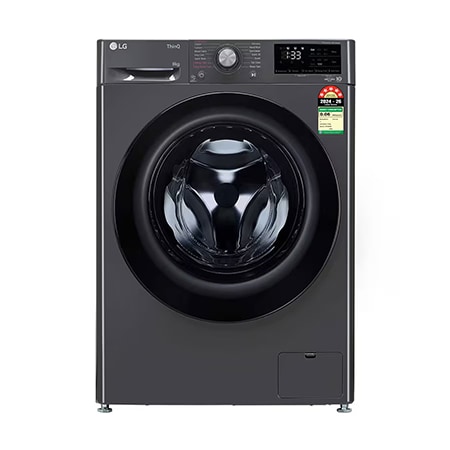
LG 9 kg 5 Star Front Load Washing Machine (FHP1209Z5M)
LG
A family of four or five
View details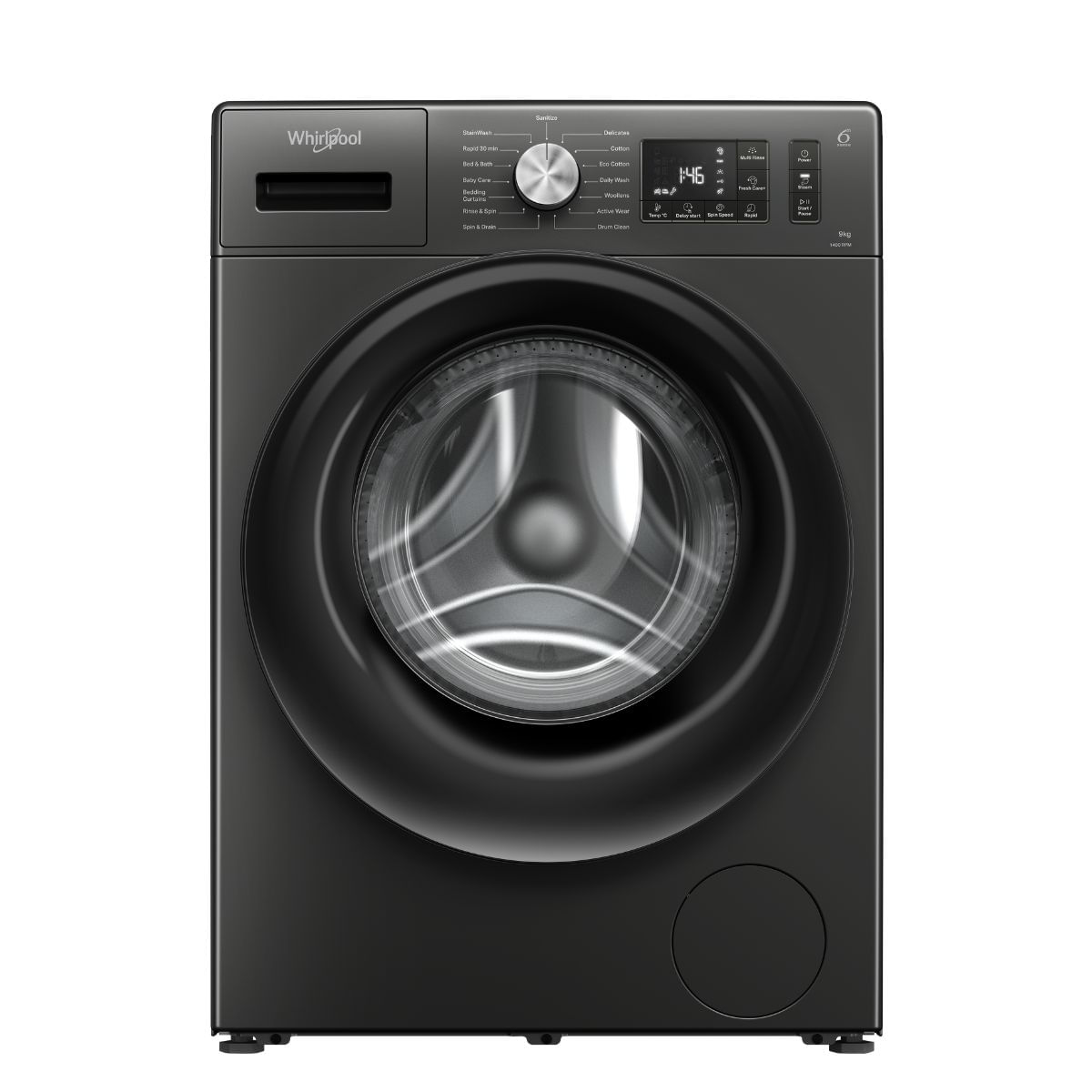
Whirlpool 9 kg 5 Star Front Load Washing Machine (Xpert Care 33049)
Whirlpool
A family of four or five
View details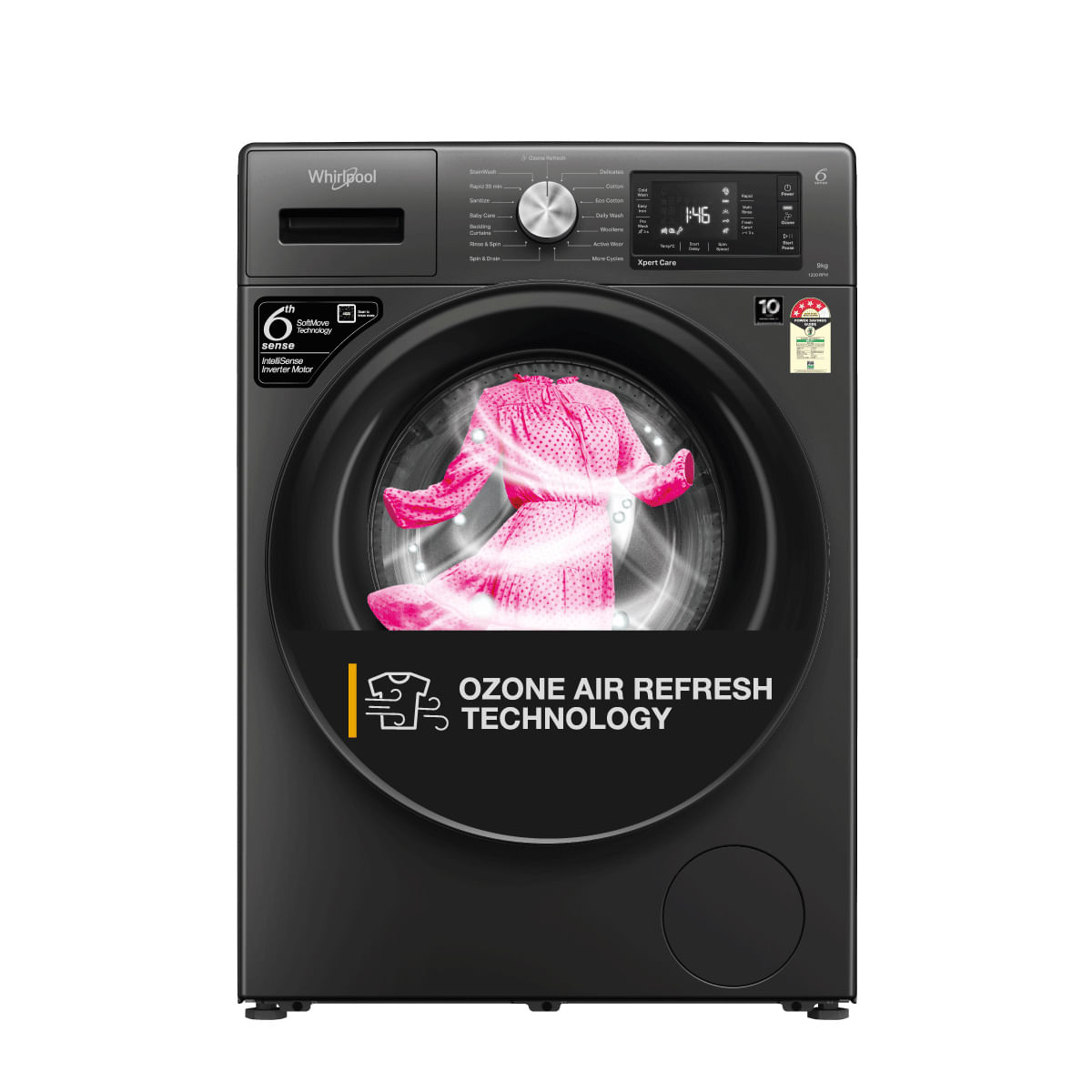
Whirlpool 9 kg 5 Star Front Load Washing Machine (Xpert Care 33032)
Whirlpool
A family of four or five
View details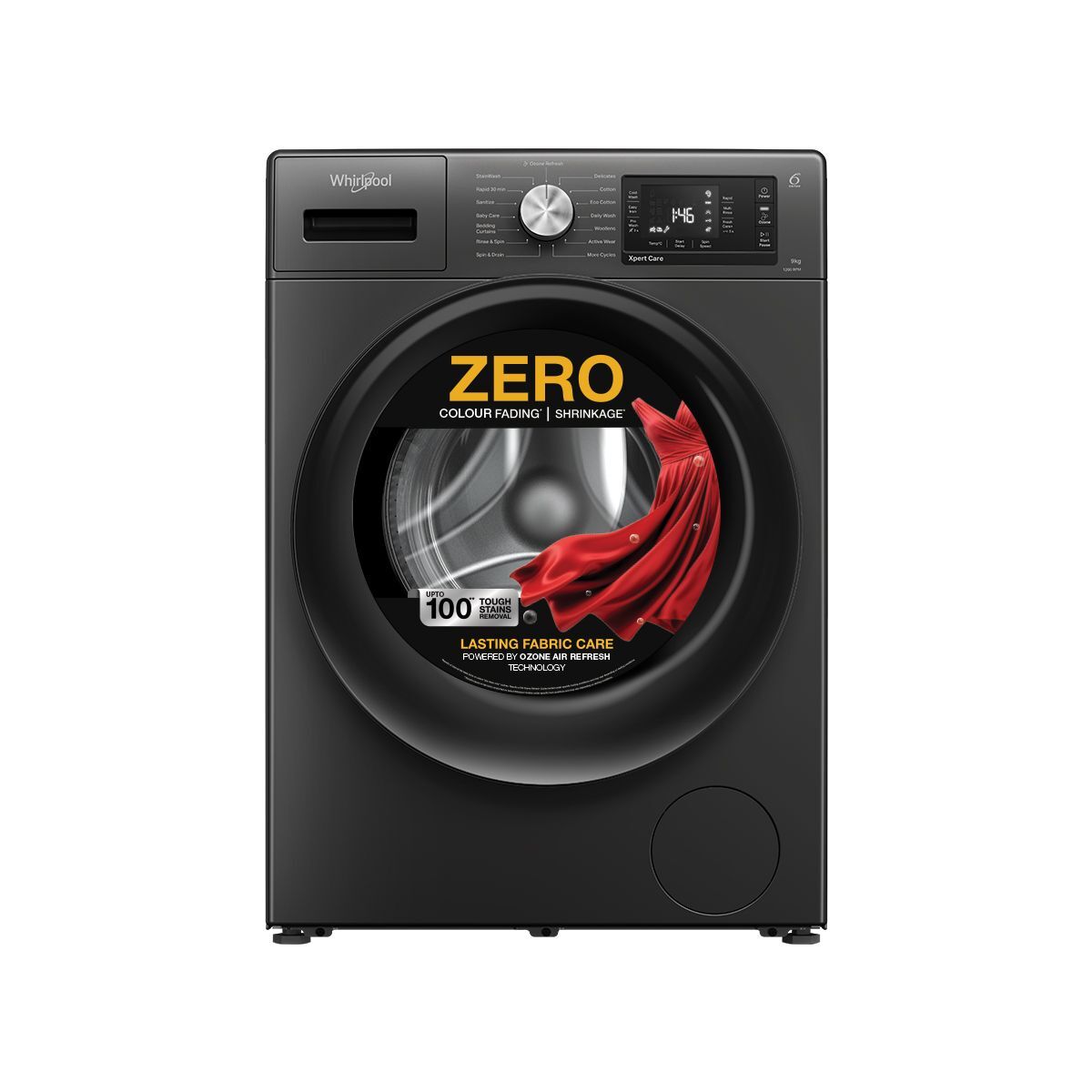
Whirlpool 9 kg 5 Star Front Load Washing Machine (Xpert Care 33027)
Whirlpool
A family of four or five
View details