

🏆 Best OverallPhilips
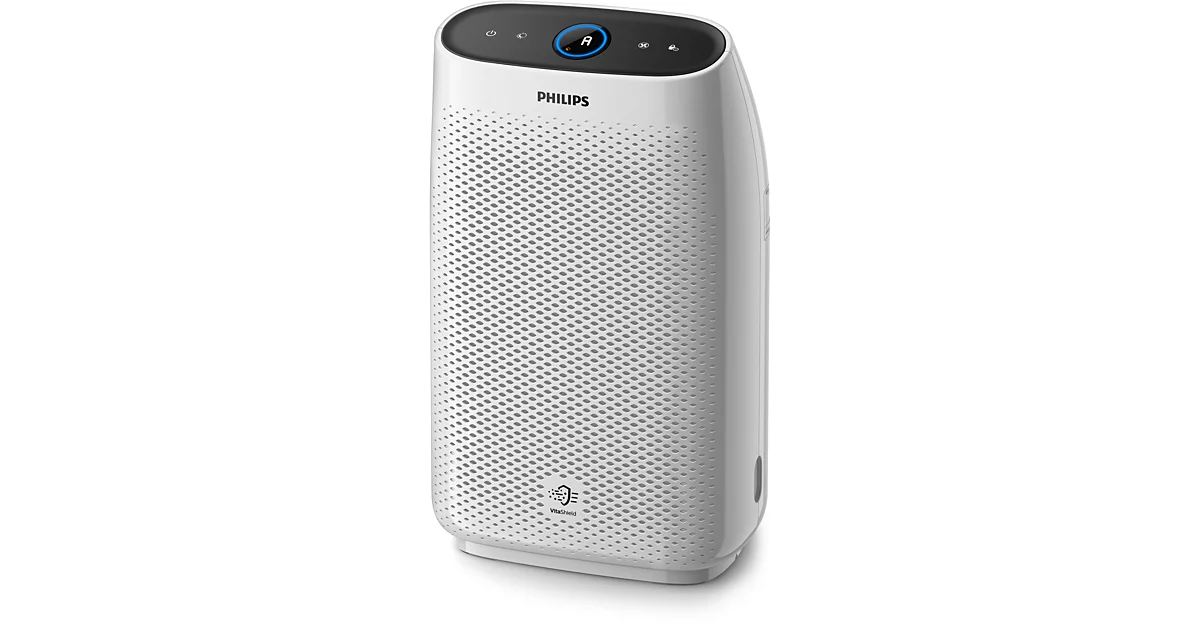
Philips 2000i Series AC2939
The sensible default for most Indian homes
8.9/10our editorial score
- Pre-filter + NanoProtect HEPA + activated carbon
- CADR 333 m³/h
- Covers up to 851 sq ft
- Noise: 20.5 - 51 dB
- Numeric PM2.5 display
- Filter life: Approximately 24 months (HEPA), 12 months (carbon)
November proof“Outdoor AQI was 420 and my bedroom held at 30-40 with the door shut. The number on the display is the reason I trust it. Filter change after 20 months cost less than I expected.”
₹24,99022% off
M.R.P. ₹32,000 Save ₹7,010
Running cost: ≈ ₹3,500/yr
Indicative price, verified 2026-08-01. Confirm on the marketplace before buying.