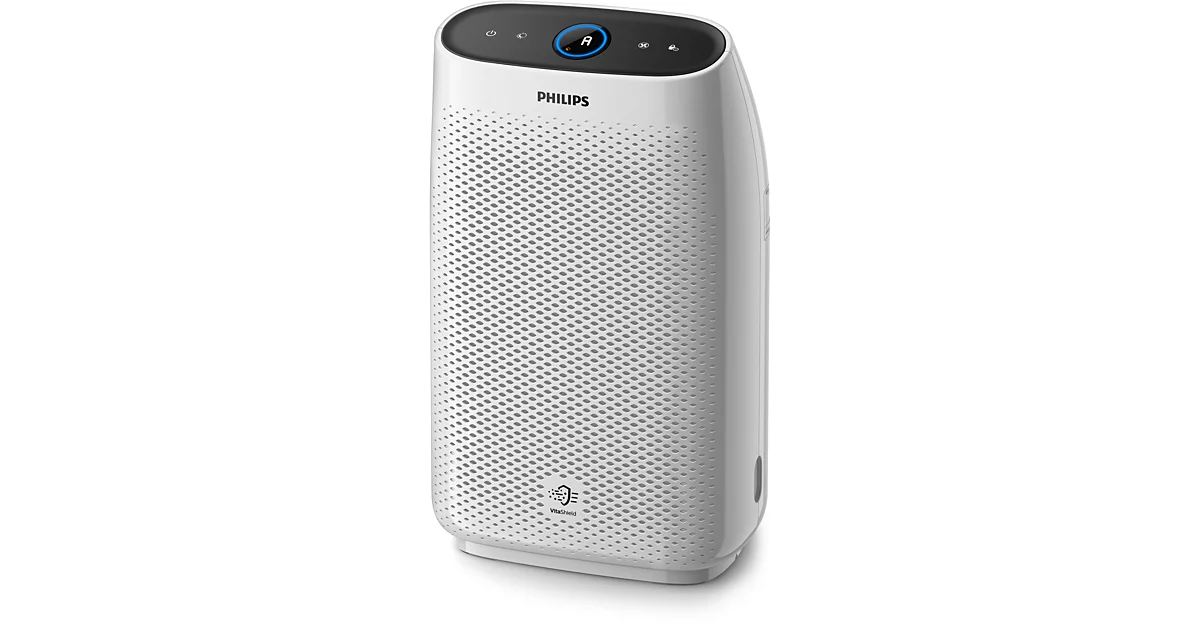
For allergies and asthma the specification tightens in three ways. You want a genuine H13 HEPA filter in a well-sealed body, because the allergens that matter — dust mite debris, pollen, pet dander, mould spores — are particulates that HEPA captures well. You want it quiet enough to run in the bedroom all night, since that is where the exposure hours are. And you want to avoid one entire product category.
Do not buy an ozone generator, and be cautious with any device marketed on 'active oxygen' or 'ionisation' as its primary mechanism. Ozone is a respiratory irritant that can worsen asthma, and the US EPA has been explicit that ozone generators sold as air cleaners are not appropriate for occupied spaces. Bipolar ion systems like Sharp's Plasmacluster are a different and generally safe thing, but treat HEPA as the primary specification and ions as a bonus.
One expectation to set honestly: a purifier reduces airborne allergens, which genuinely helps many people. It does not touch the dust-mite population in your mattress and pillows, which is often the bigger driver of morning symptoms. Run the purifier and use allergen-proof bedding covers — the combination works far better than either alone.
If symptoms are significant, treat this as a medical matter first and an appliance purchase second. Talk to a doctor.