🧊 Air conditioner guide
Inverter vs Non-Inverter AC: What Actually Changes
How each one works
A fixed-speed AC has one speed. It runs at full power until the room reaches the set temperature, switches the compressor off, waits for the room to warm up by a degree or two, and starts again — all night. Each restart draws a surge of current, and the room swings between too cold and slightly warm.
An inverter AC changes the compressor's speed. It runs hard to pull a hot room down, then slows to a fraction of its capacity to hold the temperature steady. It rarely stops, avoids the restart surges, and matches its output to the load.
Side by side
| Inverter AC | Non-inverter AC | |
|---|---|---|
| Compressor | Variable speed | On or off |
| Electricity over a summer | Lower | Higher |
| Room temperature | Steady | Swings a degree or two |
| Noise at night | Quieter | Audible cycling |
| Voltage fluctuations | Usually wide stabiliser-free range | Often needs a stabiliser |
| Price | Higher | Lower |
| Best for | Long daily use | Occasional use |
How much does an inverter save?
It depends on hours and the specific units, so compare the BEE annual-units figure on the two labels you are choosing between. As a sense of scale from our catalogue: Blue Star's 1 ton FB212DNU fixed-speed split has an ISEER of 3.52, while 1 ton 3-star inverter splits such as Lloyd's GLS12I3AGGSR (4.47) and Daikin's ATKL35XV (4.4) deliver about 25% more cooling per unit of electricity.
For an AC used 8 hours a night across a long summer, that difference covers the ₹5,000-₹6,000 price gap within a few years. For a guest room used a few evenings a month, it never does.
When a non-inverter AC still makes sense
- A room used occasionally — a guest room, a study used a couple of hours a week.
- A rented room where you want the cheapest workable window AC and will move soon.
- A strict budget under about ₹30,000, where the choice is fixed-speed or no AC.
Frequently asked questions
Is an inverter AC better than a non-inverter AC?
Does an inverter AC work well with low voltage?
Is a window inverter AC worth it?
Still not sure which air conditioner fits?
Tell us your city and situation. We will give you a straight answer — including when the honest answer is that you do not need to spend much at all.
Shortlists that follow this advice
Read next
Our current top air conditioners
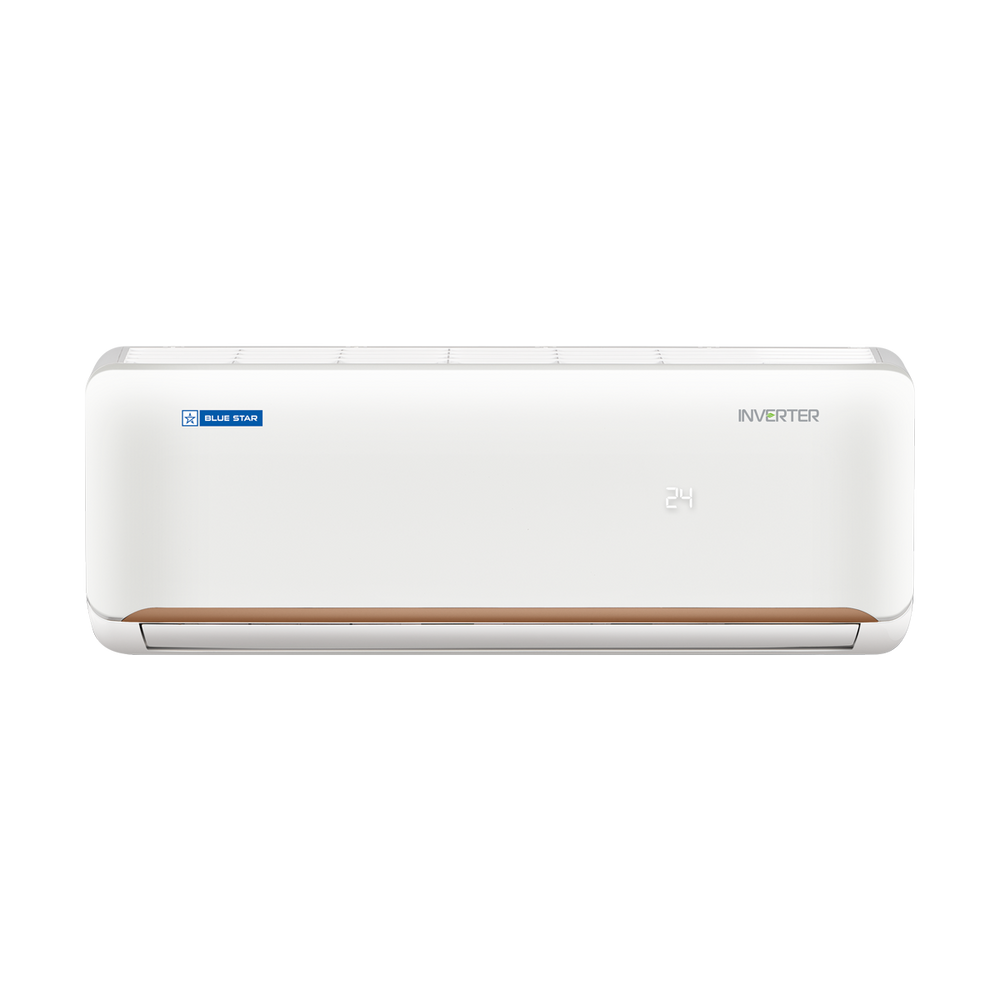
Blue Star 1.5 Ton 5 Star Inverter Split AC IC718QCUS
Blue Star
- 1.5 ton
- 5 star
- Split
A main bedroom or living room run for long nights through summer
View details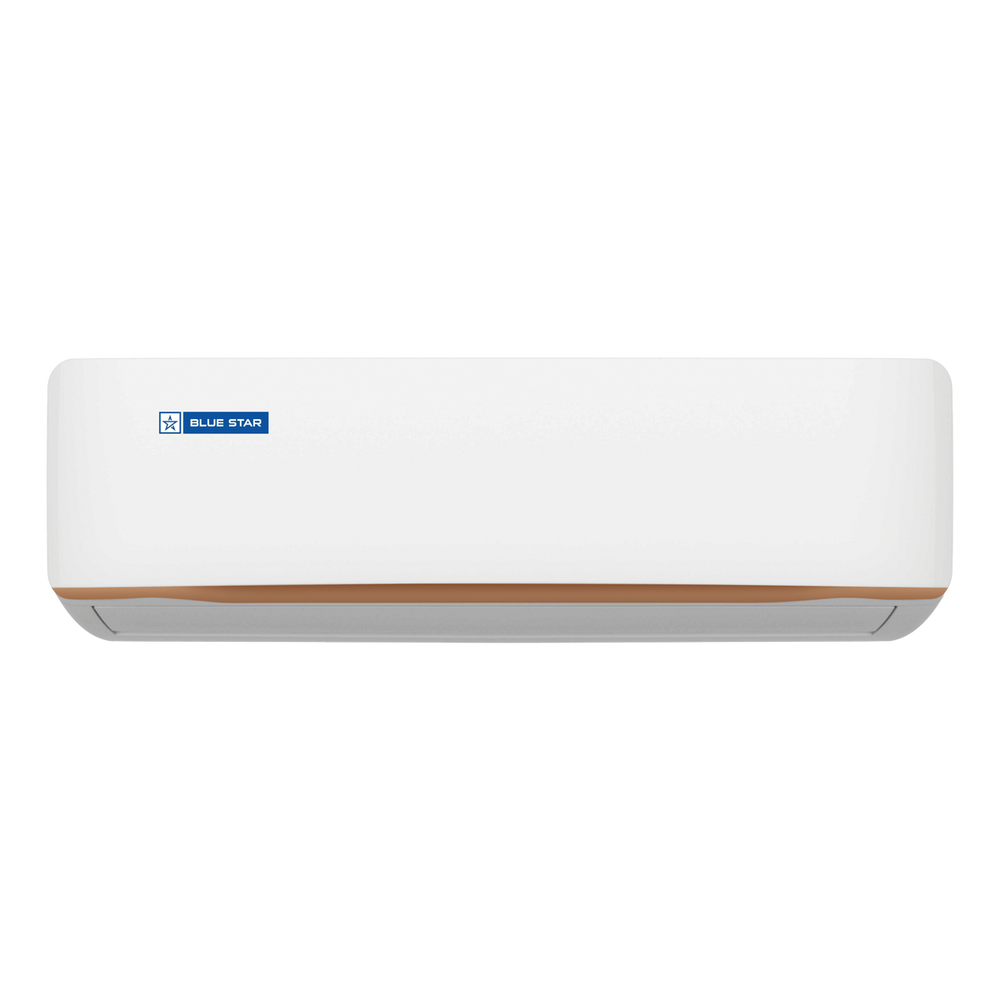
Blue Star 1.5 Ton 5 Star Inverter Split AC IA518GXUS
Blue Star
- 1.5 ton
- 5 star
- Split
Families who want to cap how much electricity the AC can use in a month
View details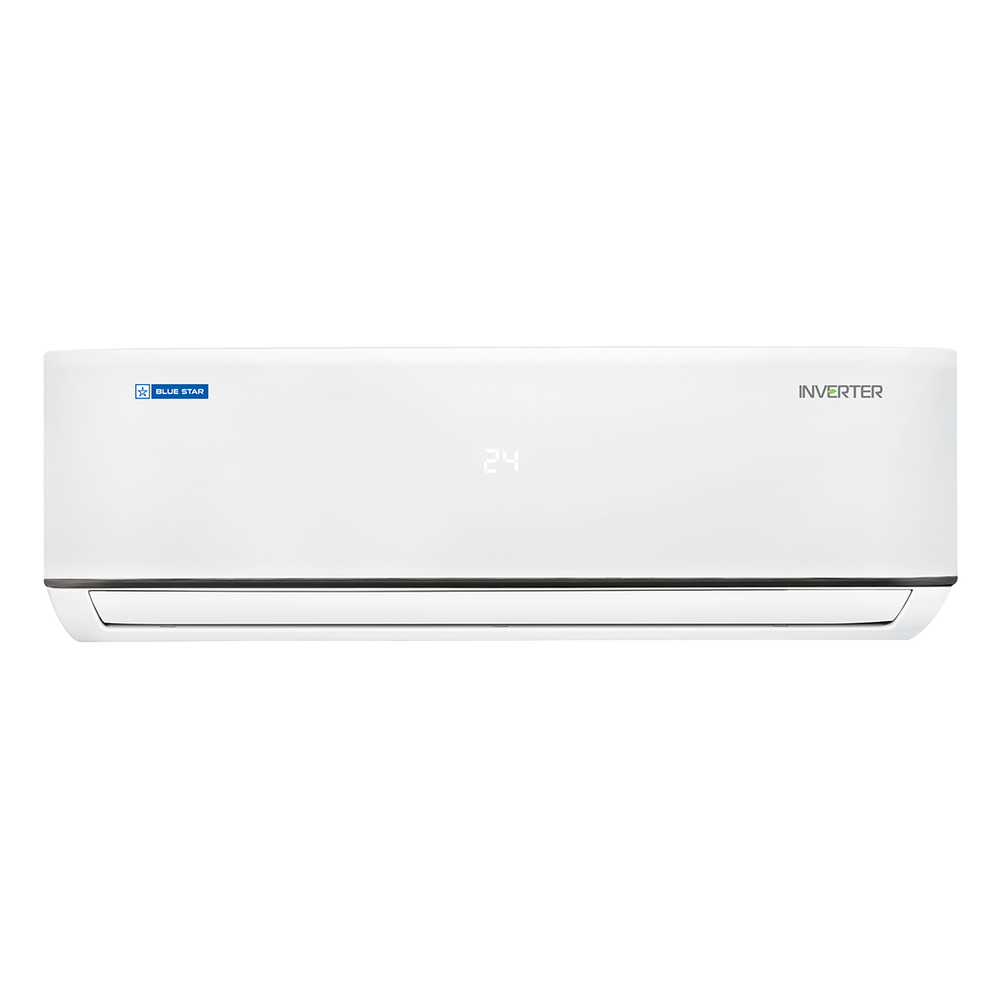
Blue Star 2 Ton 5 Star Inverter Split AC IC524DNUR
Blue Star
- 2 ton
- 5 star
- Split
Halls and living rooms of 200-230 sq ft run for long hours
View details
Panasonic 1.5 Ton 5 Star Wi-Fi Inverter Split AC CS/CU-HU18CKY5XFMH-P
Panasonic
- 1.5 ton
- 5 star
- Split
Smart-home households in polluted cities
View details