🧹 Vacuum cleaner guide
How to Choose a Vacuum Cleaner in India
Start with your floors, not your budget
Most Indian homes are vitrified tile, marble or mosaic, with a few rugs and upholstered seating. That is a fundamentally different cleaning problem from a fully carpeted home, and it changes which format is right.
On hard floors, the job is picking up fine settled dust and hair from a smooth surface, plus getting into corners and skirting. Suction matters less than the seal, the brush head and how easily the machine reaches. On carpet, the job is agitating fibres to release embedded grit, which needs a motorised brush roll and real airflow behind it.
| Your home | Best format | Roughly |
|---|---|---|
| Tile or marble, minimal rugs | Cordless stick or robot vacuum | ₹12,000 - ₹35,000 |
| Tile with carpets and heavy upholstery | Canister with motorised head | ₹8,000 - ₹25,000 |
| Post-construction dust, spills, terrace | Wet-and-dry | ₹4,000 - ₹15,000 |
| Pets shedding daily | Cordless stick with anti-tangle head, or canister | ₹18,000 - ₹45,000 |
| Car interiors only | Handheld 12 V or compact cordless | ₹1,500 - ₹6,000 |
| Large flat, want it done unattended | Robot vacuum-mop with LiDAR | ₹20,000 - ₹70,000 |
The specification that matters, and the one that does not
Motor wattage is an input measurement — how much electricity the machine draws. It tells you nothing about how much of that becomes suction at the nozzle. Indian listings advertise it heavily because it is a big number.
The output measurements are airwatts (AW) and suction pressure in kilopascals (kPa). Airwatts combine airflow and pressure, which is what actually lifts and carries debris. Where a brand publishes neither, treat the omission as information.
| Use case | Airwatts needed | Or suction |
|---|---|---|
| Hard floor, light daily dust | 60-100 AW | 8-15 kPa |
| Hard floor plus rugs | 100-150 AW | 15-20 kPa |
| Medium pile carpet | 150-200 AW | 20-25 kPa |
| Pet hair on upholstery | 180-250 AW | 22-30 kPa |
| Robot vacuum, hard floor | n/a | 4,000-8,000 Pa |
| Robot vacuum, carpet and pets | n/a | 8,000-20,000 Pa |
Important
Filtration: the part that matters most in Indian cities
A vacuum takes in dusty air and has to give it back. If the body is not sealed, fine particles bypass the filter through gaps around the dust cup and lid and are exhausted into the room at high velocity — which is why a cheap vacuum can leave a room smelling dusty after cleaning.
The specification to look for is 'sealed system' or 'fully sealed HEPA', not just 'HEPA filter'. A HEPA filter in an unsealed body filters only the air that happens to go through it.
In cities with high ambient PM2.5, this is the difference between removing dust and redistributing it. If anyone in the house has asthma or dust allergy, treat a sealed system as mandatory and consider a bagged machine, where you never open the dust chamber at all.
Bagged or bagless
| Bagged | Bagless | |
|---|---|---|
| Running cost | ₹150-400 per bag, 4-10 per year | Zero |
| Emptying | Seal and bin, no dust exposure | Dust cloud unless done outdoors |
| Suction as it fills | Drops gradually | Holds until the filter clogs |
| Filter maintenance | Rare | Wash every 4-8 weeks |
| Best for | Allergy sufferers, heavy dust | Cost-conscious, light use |
Cordless: the runtime question nobody asks in the shop
Cordless stick vacuums quote a maximum runtime that is measured on the lowest power setting with a non-motorised head. Attach the motorised floor head and switch to the medium setting — the way you will actually use it — and expect roughly 40-50% of the quoted figure. On maximum power, expect 8-12 minutes.
For a 2 BHK, 20-25 real minutes is enough for a full pass. For a 3 BHK or a duplex, look for a removable battery and consider buying a second one, which is far cheaper than buying a bigger vacuum.
Tip
What to check before you pay
- Weight at the hand, not total weight — a stick vacuum's motor sits at the top, so a 3.5 kg unit can feel heavier overhead than a 5 kg canister feels on the floor.
- Whether the floor head fits under your sofa and bed. Measure the clearance; 12-13 cm defeats a lot of otherwise good machines.
- Cord length on corded units. Under 5 metres means re-plugging in every room.
- Filter and bag availability in India. An imported model with parts on back-order is a two-year vacuum, not a ten-year one.
- Noise. Anything above 80 dB is genuinely unpleasant in a flat and will limit when you can use it.
Frequently asked questions
Which vacuum cleaner is best for Indian homes?
How much suction do I need in a vacuum cleaner?
Is a robot vacuum worth it in India?
What is the difference between a wet and dry vacuum and a normal vacuum?
How often should I clean a vacuum filter?
Still not sure which vacuum cleaner fits?
Tell us your city and situation. We will give you a straight answer — including when the honest answer is that you do not need to spend much at all.
Shortlists that follow this advice
- Best Cordless Vacuum Cleaners in India (2026)best cordless vacuum cleaner
- Best Wet and Dry Vacuum Cleaners in India (2026)best wet and dry vacuum cleaner
- Best Robot Vacuum Cleaners in India (2026)best robot vacuum cleaner in india
- Best Vacuum Cleaners Under ₹10,000 in India (2026)best vacuum cleaner under 10000
- Best Vacuum Cleaners for Tiles and Marble Floors in India (2026)best vacuum cleaner for tiles
Read next
Our current top vacuum cleaners
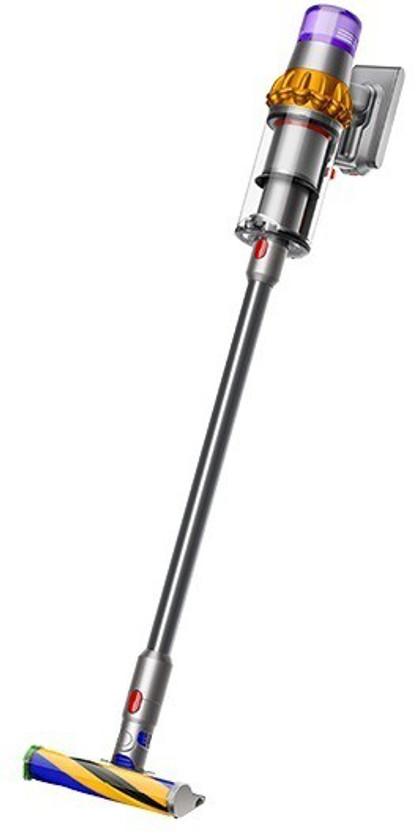
Dyson V15 Detect
Dyson
- True HEPA H13
Pet owners, allergy sufferers and anyone who wants the best cordless cleaning available regardless of price
View details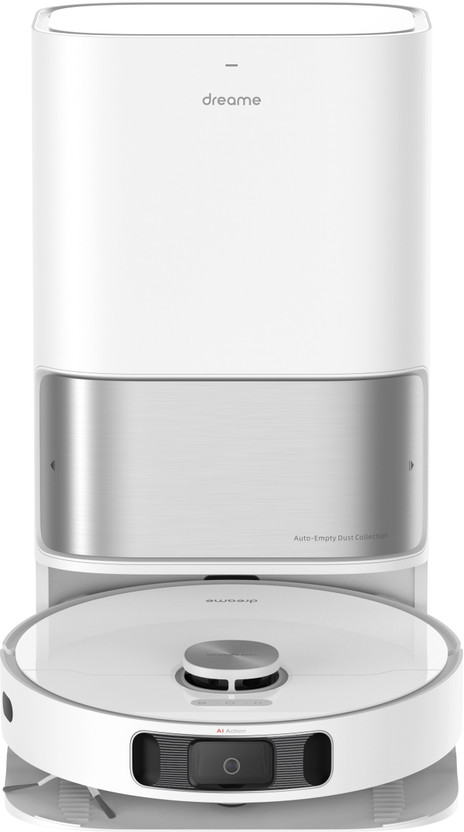
Dreame L10s Ultra
Dreame
Mixed tile-and-rug Indian homes wanting genuinely hands-off daily vacuuming and mopping
View details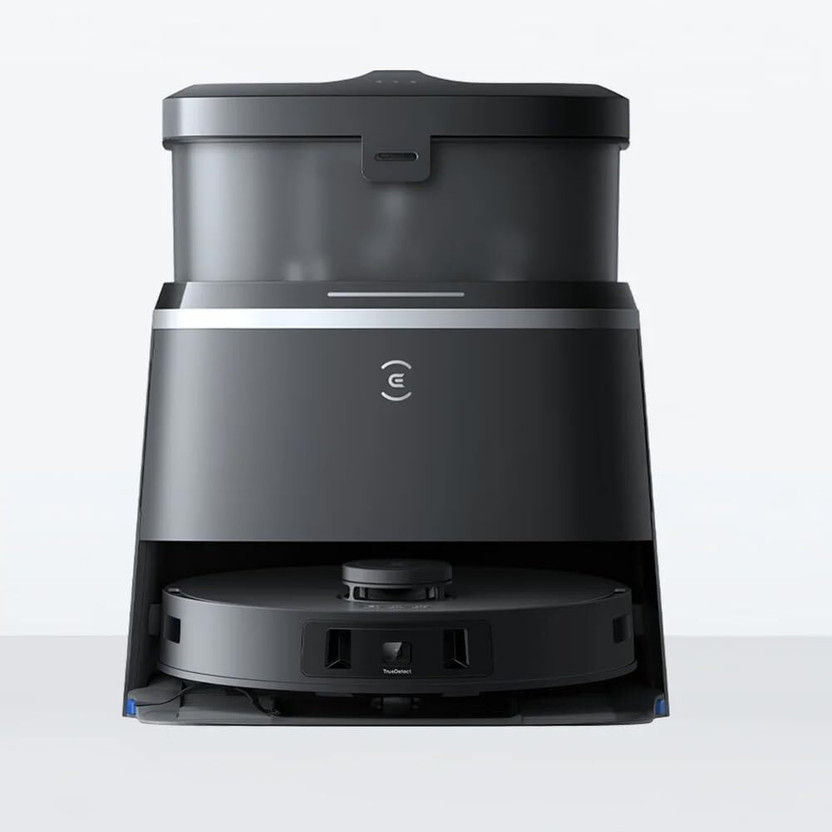
Ecovacs Deebot T30 Omni
Ecovacs
Buyers wanting flagship robot automation with the most established Indian service
View details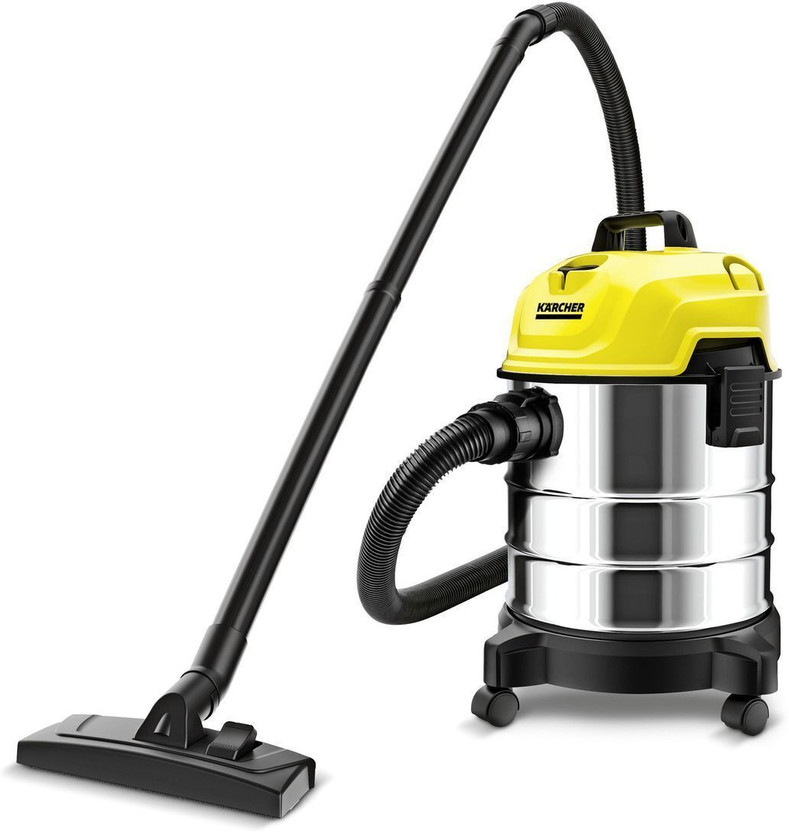
Kärcher WD 1 S Classic
Kärcher
Households that want one durable machine for spills, cars, balconies and periodic deep cleans
View details