🧹 Vacuum cleaner guide
How to Choose a Robot Vacuum in India
What robot mopping actually does
Almost every robot sold in India as a vacuum-mop drags a damp microfibre pad behind the vacuum unit. Water drips from a small tank onto the pad; the pad wipes. There is no downward pressure worth the name and no scrubbing.
That keeps a floor that is already clean looking clean, and it does so daily without you. It will not remove dried dal, a tea ring or a footprint of dried mud. Read the marketing accordingly.
The better implementations add something real: spinning pads with downward pressure, pads that lift when the robot crosses carpet, and docks that wash and dry the pad. The pad-lift feature is the one that matters most in Indian homes, because dragging a wet pad across a rug is how the rug gets ruined.
| Mopping type | What it achieves | Found on |
|---|---|---|
| Drag pad, gravity feed | Light dust wipe | Entry models |
| Electronic water control | Even dampness, no over-wetting | Mid range |
| Vibrating pad | Light scrubbing of fresh marks | Mid to upper |
| Dual spinning pads with pressure | Genuine scrubbing | Upper range |
| Pad lift on carpet | Keeps rugs dry | Upper range |
| Self-washing and drying dock | No manual pad handling, no smell | Premium |
The dock decides whether you keep using it
A robot's onboard bin holds 250-500 ml, which is one to three runs in a typical Indian home. Emptying it means opening a dust chamber indoors every other day — precisely the chore the robot was bought to remove.
A self-emptying dock holds two to twelve weeks of debris in a sealed bag. It costs ₹8,000-15,000 more and it is the single feature most correlated with people still running their robot a year later.
Premium docks add pad washing, hot-air pad drying and automatic water refill. The pad drying is not a luxury in humid coastal cities — a damp pad parked in a dock develops a smell within a day.
Tip
Sizing suction for your floors
- 4,000-6,000 Pa — hard floors, no pets, light daily dust. Adequate and quiet.
- 6,000-10,000 Pa — hard floors with rugs, or one shedding pet.
- 10,000-18,000 Pa — medium pile carpet, multiple pets, or a home that collects a lot of street dust.
- 18,000 Pa and above — diminishing returns for most Indian homes; the noise increase is more noticeable than the cleaning improvement.
- An anti-tangle rubber brush matters more than raw suction if anyone in the house has long hair. Bristle brushes wrap and need cutting free weekly.
Where robots still fail in Indian homes
- Thresholds — most robots clear 15-20 mm. Older Indian homes often have 25-40 mm door sills that will confine the robot to one room.
- Dark floors — cliff sensors on some models read very dark tiles or dark rugs as a drop and refuse to cross them.
- Loose cotton rugs and dhurries — get sucked in and jam the brush. Roll them up or use no-go zones.
- Stairs and duplexes — a robot cannot climb. A duplex needs two robots or a robot plus a stick vacuum.
- Puja rooms, floor seating and clutter — robots need clear floor to be useful. A cluttered floor is a robot that stops every four minutes.
Frequently asked questions
Is a robot vacuum worth buying in India?
Do robot vacuums actually mop properly?
How much suction does a robot vacuum need?
Is a self-emptying dock worth the extra money?
Can a robot vacuum climb door thresholds?
Still not sure which vacuum cleaner fits?
Tell us your city and situation. We will give you a straight answer — including when the honest answer is that you do not need to spend much at all.
Shortlists that follow this advice
- Best Robot Vacuum Cleaners in India (2026)best robot vacuum cleaner in india
- Best Robot Vacuum and Mop Combos in India (2026)best robot vacuum and mop
- Best LiDAR Robot Vacuum Cleaners in India (2026)lidar robot vacuum
- Best Robot Vacuum Cleaners Under ₹30,000 in India (2026)robot vacuum cleaner under 30000
Read next
Our current top vacuum cleaners
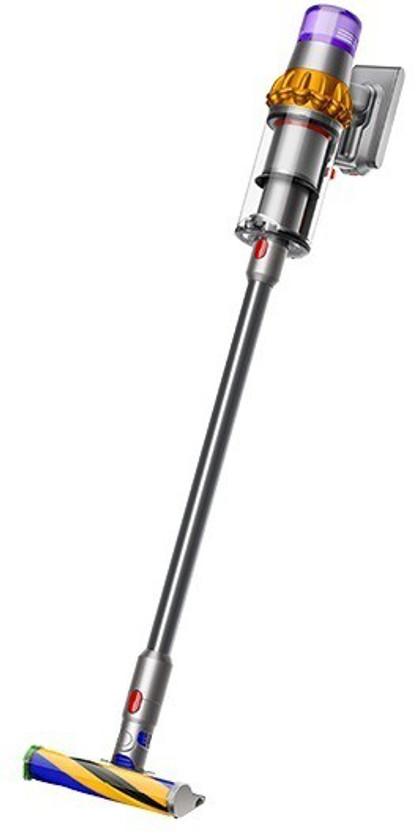
Dyson V15 Detect
Dyson
- True HEPA H13
Pet owners, allergy sufferers and anyone who wants the best cordless cleaning available regardless of price
View details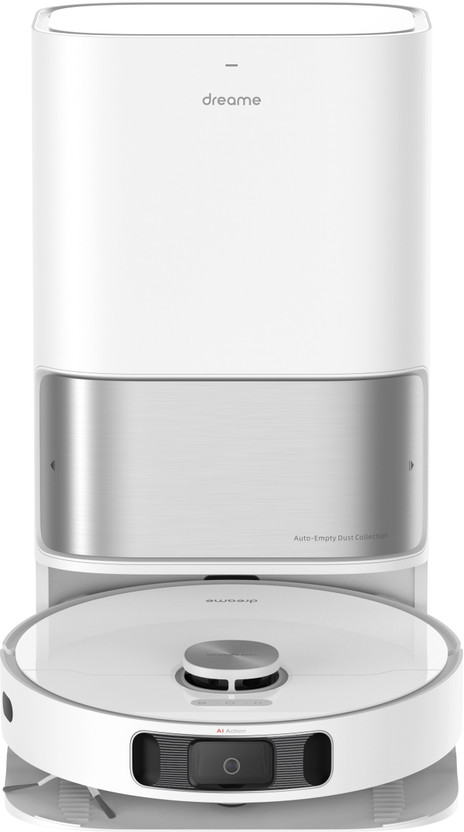
Dreame L10s Ultra
Dreame
Mixed tile-and-rug Indian homes wanting genuinely hands-off daily vacuuming and mopping
View details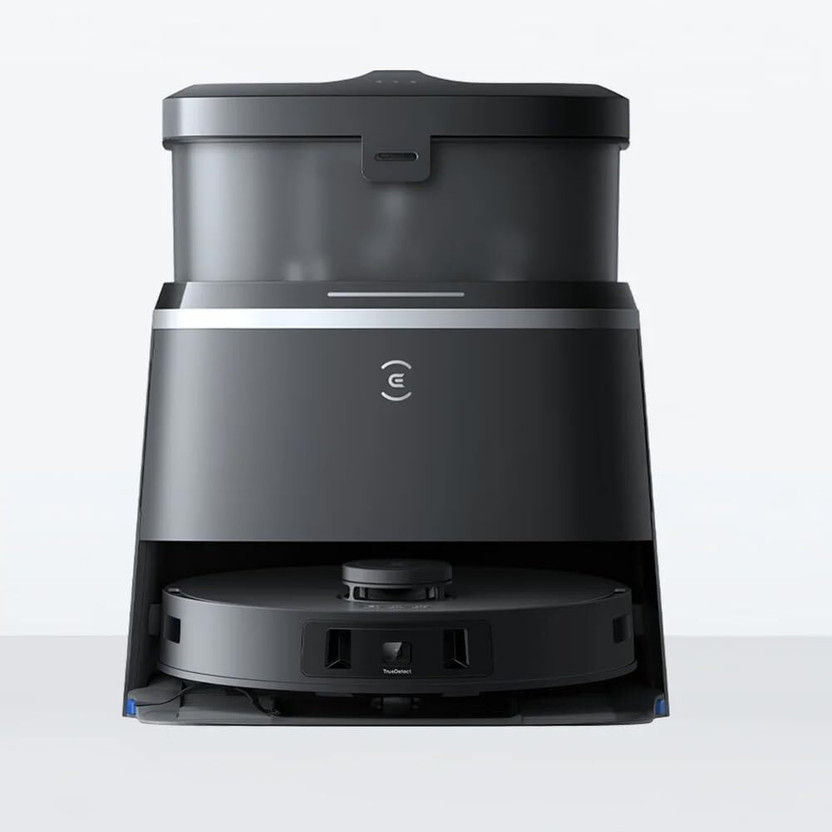
Ecovacs Deebot T30 Omni
Ecovacs
Buyers wanting flagship robot automation with the most established Indian service
View details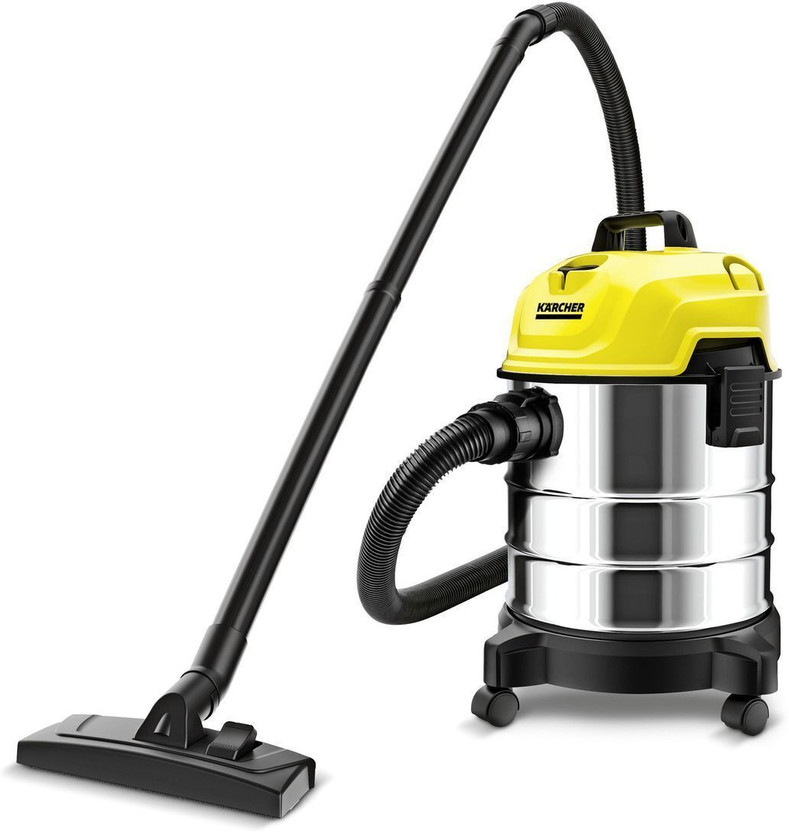
Kärcher WD 1 S Classic
Kärcher
Households that want one durable machine for spills, cars, balconies and periodic deep cleans
View details