🧹 Vacuum cleaner guide
Vacuum Cleaner Maintenance: Fixing Lost Suction
The five-minute diagnosis, in order
- 1. Dust bin — bagless bins lose suction badly past the MAX line, and bags lose it gradually from about two-thirds full. Empty first, then retest.
- 2. Filter — pull it and hold it to a light. If you cannot see light through the pleats, that is your fault. This is the cause about half the time.
- 3. Brush roll — hair and thread wrapped at the bearing ends stops rotation. If the roll does not spin freely by hand, clear it.
- 4. Hose and wand — detach both and look through. A sock, a bottle cap or a wad of hair sits in the bend and is invisible from either end until you look.
- 5. Floor head inlet — the slot behind the brush collects a compacted felt of hair and fluff. Scrape it clear.
Tip
Washing filters without ruining them
Most modern filters are washable, and washing them wrongly is how they stop working. Rinse from the clean side outward under cool running water, so debris is pushed out the way it came in rather than driven deeper into the pleats.
Never use detergent, never use hot water, and never scrub the pleats. Detergent residue clogs the media, hot water deforms it and scrubbing tears the fibres that do the filtering.
Then dry it for a full 24 hours in shade, not in sun and not with a hairdryer. A damp filter restricts airflow, and restricted airflow is what overheats a vacuum motor — the fault most often mistaken for a dead motor.
Important
The schedule
| Task | Frequency | Notes |
|---|---|---|
| Empty bagless bin | Every 1-2 runs | Outdoors or over a bin liner |
| Replace bag | At two-thirds full | Not when completely full |
| Rinse pre-motor filter | Every 4-8 weeks | 24-hour dry, always |
| Clear brush roll | Monthly | Weekly if anyone has long hair |
| Check hose and wand | Quarterly | Or whenever suction drops |
| Replace HEPA filter | 12-18 months | Washing does not restore the media |
| Wipe cliff and dock sensors | Monthly (robots) | Dust makes robots refuse dark floors |
| Replace robot mop pad | 3-6 months | Sooner if it smells |
Things that quietly shorten a vacuum's life
- Vacuuming fine construction dust with a household machine — plaster and cement dust passes through domestic filters and coats the motor. Hire or buy a wet-and-dry for renovation work.
- Picking up anything damp with a dry vacuum. Even slightly damp debris cakes onto the filter and cannot be washed out.
- Storing a cordless vacuum at 0% charge for weeks. Lithium cells degrade fastest when stored flat; leave it on the dock.
- Running on maximum power continuously. It is intended for spot use, and constant max draws the battery down and heats the motor.
- Leaving a robot's mop pad attached in the dock after a run. In humid weather it develops a smell in under a day, and that smell is then spread across the floor next run.
Frequently asked questions
Why has my vacuum cleaner lost suction?
How often should I clean my vacuum cleaner filter?
Can I wash a HEPA filter?
How long should a vacuum cleaner last?
Still not sure which vacuum cleaner fits?
Tell us your city and situation. We will give you a straight answer — including when the honest answer is that you do not need to spend much at all.
Shortlists that follow this advice
Read next
Our current top vacuum cleaners
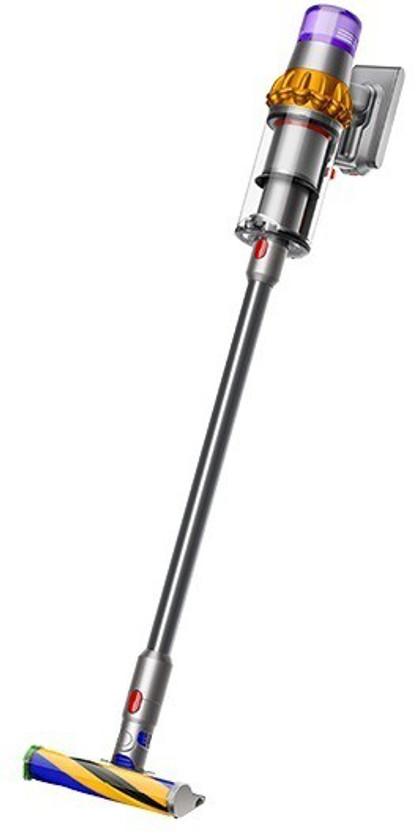
Dyson V15 Detect
Dyson
- True HEPA H13
Pet owners, allergy sufferers and anyone who wants the best cordless cleaning available regardless of price
View details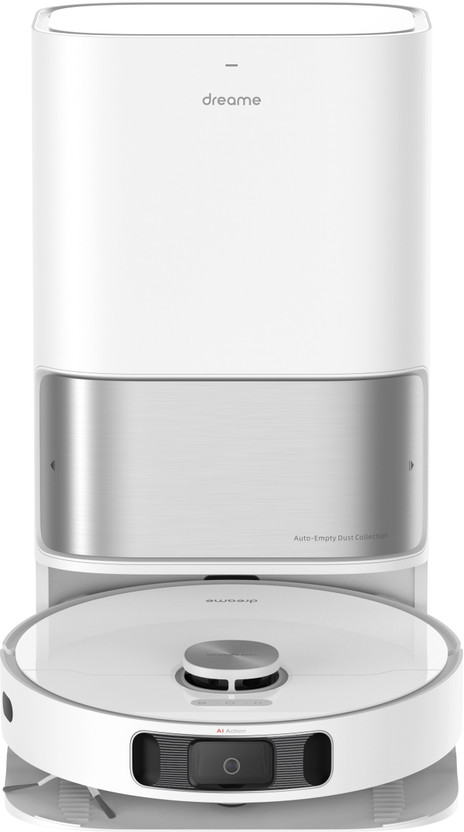
Dreame L10s Ultra
Dreame
Mixed tile-and-rug Indian homes wanting genuinely hands-off daily vacuuming and mopping
View details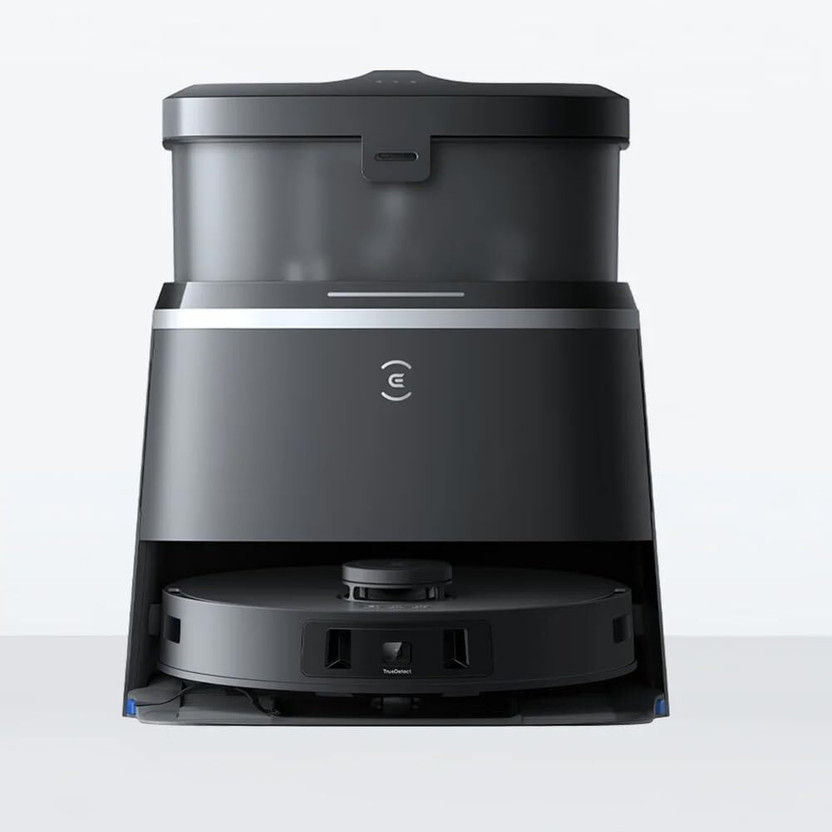
Ecovacs Deebot T30 Omni
Ecovacs
Buyers wanting flagship robot automation with the most established Indian service
View details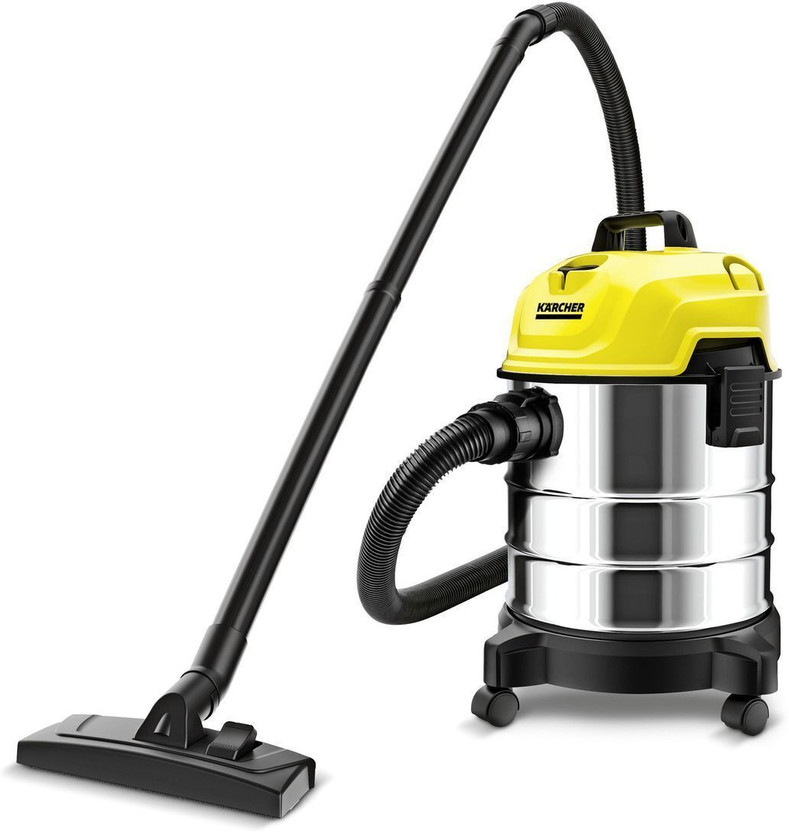
Kärcher WD 1 S Classic
Kärcher
Households that want one durable machine for spills, cars, balconies and periodic deep cleans
View details