🧹 Vacuum cleaner guide
Wet and Dry vs Dry Vacuum Cleaners
How the two machines differ mechanically
A dry vacuum runs air through a bag or a cyclone and then through fine filters, often HEPA-grade, before exhausting it. Introduce water into that path and the filter media becomes soaked, suction collapses and the filter is ruined.
A wet-and-dry vacuum solves this by dropping debris and liquid into a drum below the airflow path, with a float valve that rises with the liquid level and cuts suction before water reaches the motor. Its filtration is a coarse foam sleeve or a washable cartridge, because anything finer would clog instantly.
That design difference is why a wet-and-dry vacuum is loud, heavy and comparatively poorly filtered — and why it will survive things that would destroy a stick vacuum.
| Wet and dry | Dry vacuum | |
|---|---|---|
| Picks up liquid | Yes | No — will damage the motor |
| Filtration | Coarse foam or cartridge | HEPA, often sealed |
| Typical noise | 78-88 dB | 65-78 dB |
| Weight | 5-12 kg | 2.5-7 kg |
| Best for | Spills, cars, terraces, debris | Daily household dust |
| Typical price | ₹4,000 - ₹15,000 | ₹6,000 - ₹45,000 |
| Blower function | Usually included | Rare |
When a wet-and-dry is genuinely the right buy
- You have an open terrace, balcony or garage that collects water and grit and needs clearing after rain.
- You clean your own car interior regularly — the drum handles wet mats and footwell mud that would ruin a household vacuum.
- You are doing renovation or post-construction cleanup, where the debris includes plaster dust, tile chips and screws.
- You have a recurring water problem — an overflowing tank, a leaking AC drain, a basement that takes water in monsoon.
- You want a blower for clearing dry leaves or drying a wet surface, which most wet-and-dry units include and almost no dry vacuum does.
Tip
Why it is the wrong daily vacuum
The filtration is the problem. A foam sleeve stops grit and lets fine PM2.5-scale dust through, which the motor then blows back into the room at high speed. In a bedroom, cleaning with an unfiltered wet-and-dry measurably raises airborne particle counts for a while afterwards.
Then there is practicality. A 12 kg drum on castors, an 80-plus dB motor and a 4-metre hose is a machine you fetch for a job, not one you pick up because the floor looks dusty. The vacuum that gets used is the one that is easy to grab, and that is almost never the wet-and-dry.
Important
What it does not do
- It does not mop. It lifts standing liquid. A floor that is dirty but dry needs a mop or a wet-dry floor washer, which is a different machine entirely.
- It does not shampoo carpet. Carpet extraction needs a machine that injects solution and recovers it; a wet-and-dry only recovers.
- It does not replace a dry vacuum for upholstery or mattresses, where filtration is the whole point.
- It should not be used on hot ash, flammable liquids or fine toxic dust unless the manual specifically permits it.
Frequently asked questions
Can a wet and dry vacuum cleaner be used for daily home cleaning?
Does a wet and dry vacuum cleaner mop the floor?
What size wet and dry vacuum do I need?
Do I need to change the filter between wet and dry use?
Still not sure which vacuum cleaner fits?
Tell us your city and situation. We will give you a straight answer — including when the honest answer is that you do not need to spend much at all.
Shortlists that follow this advice
- Best Wet and Dry Vacuum Cleaners in India (2026)best wet and dry vacuum cleaner
- Best Canister Vacuum Cleaners in India (2026)best canister vacuum cleaner
- Best Car Vacuum Cleaners in India (2026)car vacuum cleaner
- Best Handheld Vacuum Cleaners in India (2026)best handheld vacuum cleaner
- Best Vacuum Cleaners Under ₹5,000 in India (2026)best vacuum cleaner under 5000
Read next
Our current top vacuum cleaners
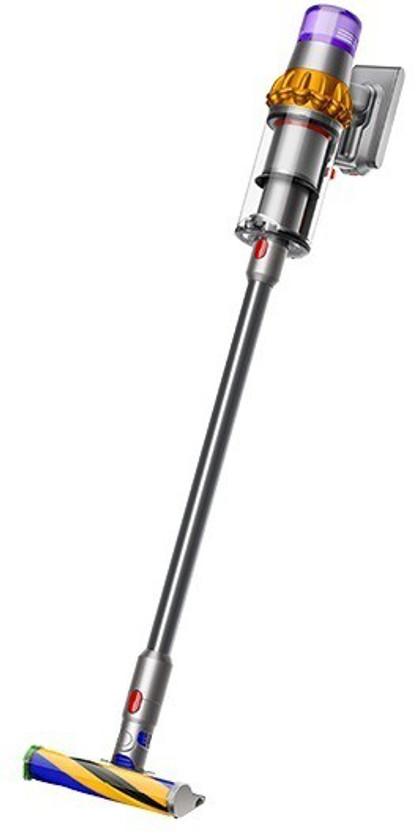
Dyson V15 Detect
Dyson
- True HEPA H13
Pet owners, allergy sufferers and anyone who wants the best cordless cleaning available regardless of price
View details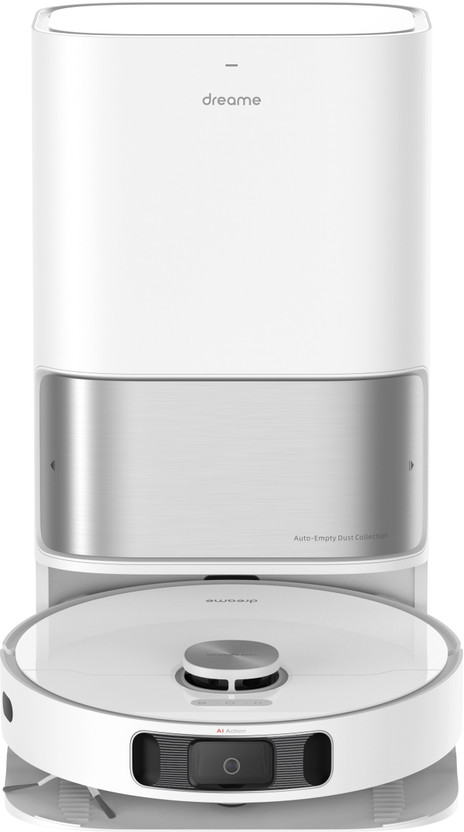
Dreame L10s Ultra
Dreame
Mixed tile-and-rug Indian homes wanting genuinely hands-off daily vacuuming and mopping
View details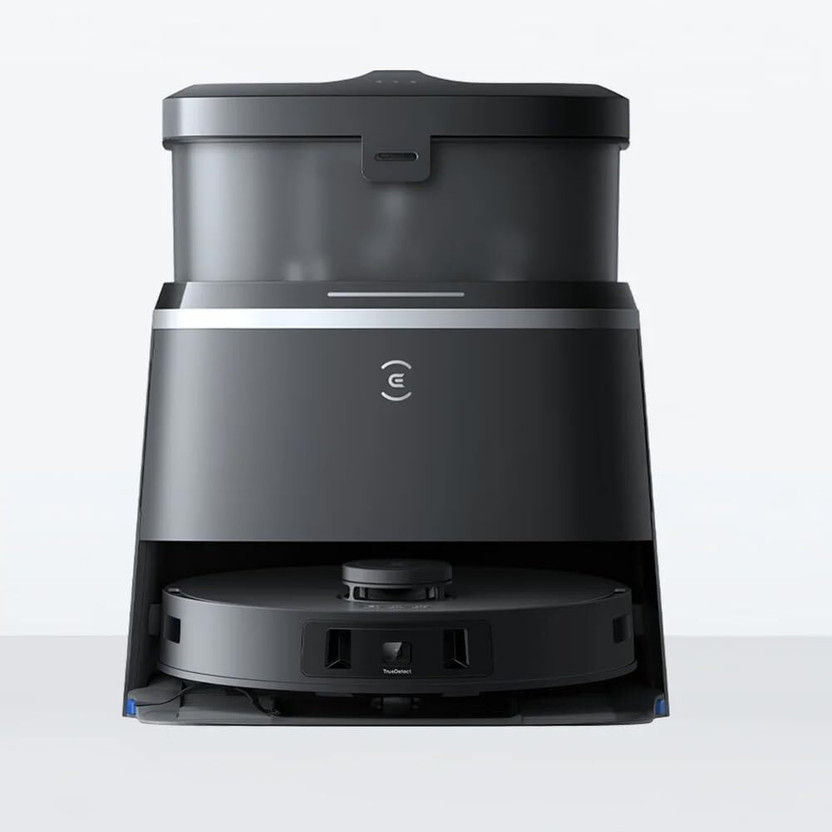
Ecovacs Deebot T30 Omni
Ecovacs
Buyers wanting flagship robot automation with the most established Indian service
View details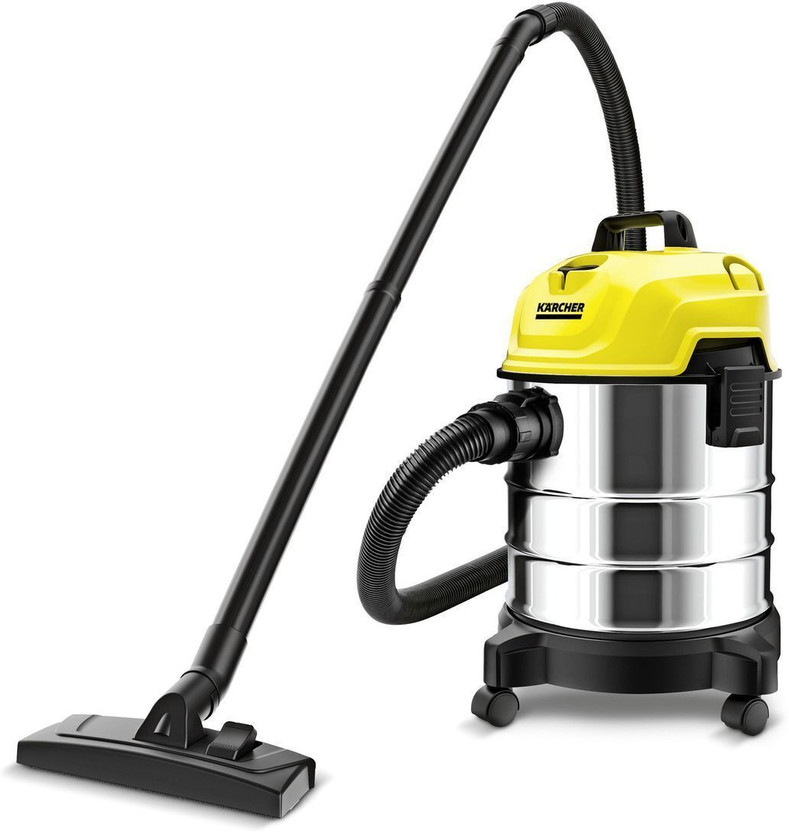
Kärcher WD 1 S Classic
Kärcher
Households that want one durable machine for spills, cars, balconies and periodic deep cleans
View details