🧹 Vacuum cleaner guide
Vacuum Cleaner Tips for Beginners: Get a Clean Floor First Time
Before you switch it on
Walk the room once and pick up anything the vacuum should not swallow: coins, hair ties, charger cables, earrings, paper clips and socks. On a robot vacuum this is not optional — cables and socks are the number-one reason robots get stuck.
Check the bin or bag is empty and the filter is seated. A machine started with a full bin is working at a fraction of its suction from the first minute, which is why so many new owners conclude their vacuum is 'weak'.
Which attachment does what
Most canister, stick and handheld vacuums sold in India ship with the same three or four tools. Using the wrong one is the most common beginner mistake.
| Attachment | Use it on | Avoid it on |
|---|---|---|
| Floor head (bristles down) | Tiles, marble, wooden floors | Thick rugs — it skates over them |
| Floor head (bristles up) | Rugs, dhurries and carpets | Hard floors — it can scratch fine grit across them |
| Crevice tool (long, narrow) | Corners, skirting, sofa gaps, car seats, window grooves | Open floor — the narrow opening makes it slow |
| Dusting brush (round, soft) | Shelves, keyboards, lamp shades, AC vents | Anything sticky or wet |
| Upholstery tool (wide, flat) | Sofas, mattresses, curtains, cushions | Delicate silk or loose weaves — use the lowest suction |
The right order to clean a room
- Start high: fans, curtain tops, shelves and AC vents with the brush tool. Dust falls, so anything you clean up high lands on the floor you have not done yet.
- Then soft furnishings: sofa, cushions and mattress with the upholstery tool, lifting cushions to get the crumbs underneath.
- Then edges: run the crevice tool along skirting boards and room corners, where most dust collects and the floor head cannot reach.
- Then the open floor: start at the far wall and work back towards the door in overlapping straight lines, like mowing a lawn.
- On rugs, go once with the pile and once against it. The second pass lifts grit that the first pushed down.
Suction settings, speed and technique
Use full suction on floors and rugs, and turn it down for curtains, sofa fabric and anything light enough to be pulled into the nozzle. If your machine has no control, many handles have a small air-bleed slider that does the same job.
Move slowly. A brisk sweep feels productive but leaves grit behind; roughly one step per second lets the brush roll and the airflow do their work. Overlap each stroke by a third of the nozzle width so nothing is missed between lines.
In Indian homes with stone or tile floors, dust is fine and settles daily. Two quick sessions a week beat one long one, and a lightweight cordless stick makes that realistic because it is out of the corner in seconds.
Important
After every clean: the two-minute routine
- Empty the bin over a dustbin outdoors or into a bag — tapping it out indoors puts fine dust straight back into the air.
- Pull hair and threads off the brush roll; tangled hair is the main reason brush rolls stop spinning.
- Every 2–4 weeks, tap out or rinse the washable filter and let it dry for a full 24 hours before refitting. A damp filter grows mould and smells.
- Store it charged (cordless) and upright, with the hose uncoiled rather than kinked.
Beginner mistakes that shorten a vacuum's life
- Running it with a full bin or clogged filter — the motor overheats. Many models cut out on a thermal fuse; let it cool 30 minutes before blaming a fault.
- Pulling it along by the power cord or the hose instead of the handle.
- Sucking up large debris: coins, pebbles and screws crack the fan and the hose.
- Leaving a cordless vacuum on the charger at 0% for weeks or storing it flat in a hot car — both age lithium batteries quickly.
- Skipping the pre-filter on a canister: without it, fine dust reaches the motor filter and the HEPA stage clogs within a month.
Which type is easiest for a beginner?
For a first vacuum in a small flat, a lightweight handheld or cordless stick is the easiest to live with because it is quick to grab. For a larger home with rugs, a bagless canister such as the Philips PowerPro Compact FC9351 gives the most suction per rupee. If nobody in the house wants to vacuum at all, a robot vacuum that mops as well removes the chore — but it still needs the floor picked up first.
Frequently asked questions
How often should I vacuum my home?
Should I vacuum or mop first?
Why has my vacuum cleaner lost suction?
Can I use a vacuum cleaner on a mattress?
Is it safe to vacuum water with a normal vacuum?
Still not sure which vacuum cleaner fits?
Tell us your city and situation. We will give you a straight answer — including when the honest answer is that you do not need to spend much at all.
Shortlists that follow this advice
- Best Vacuum Cleaners for Home in India (2026)best vacuum cleaner for home
- Best Vacuum Cleaners Under ₹5,000 in India (2026)best vacuum cleaner under 5000
- Best Cordless Vacuum Cleaners in India (2026)best cordless vacuum cleaner
- Best Vacuum Cleaners for Sofa and Upholstery in India (2026)best vacuum cleaner for sofa
Read next
Models that fit this advice
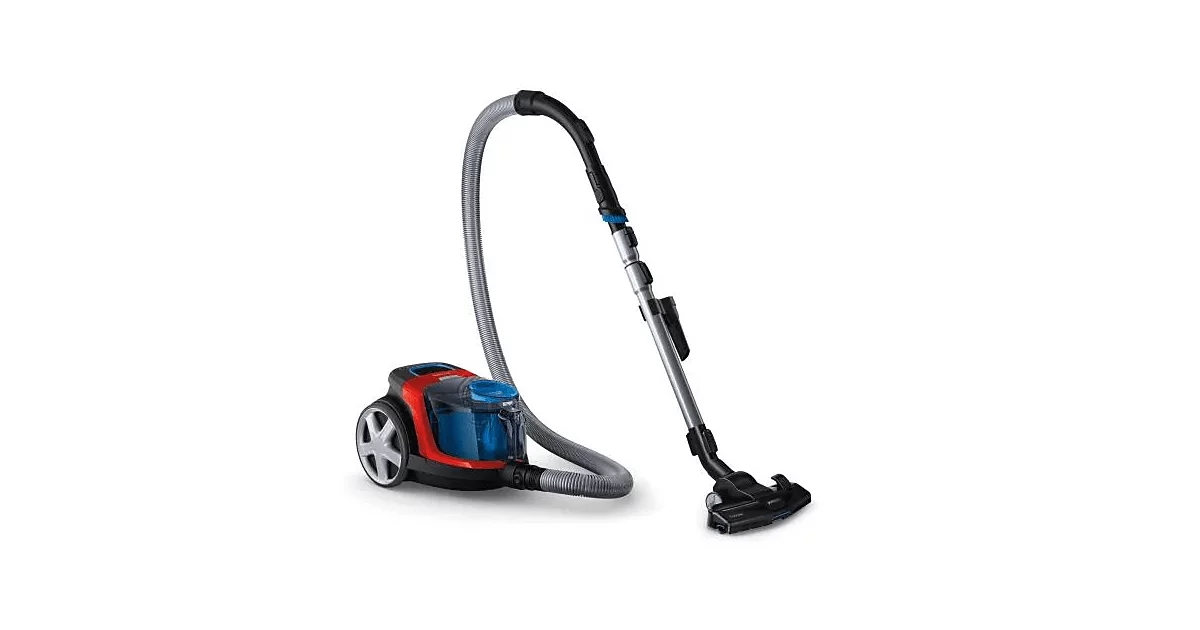
Philips PowerPro Compact FC9351/01
Philips
- True HEPA H13
- Quiet mode
Most Indian homes wanting one reliable, low-running-cost machine for daily and weekly cleaning
View details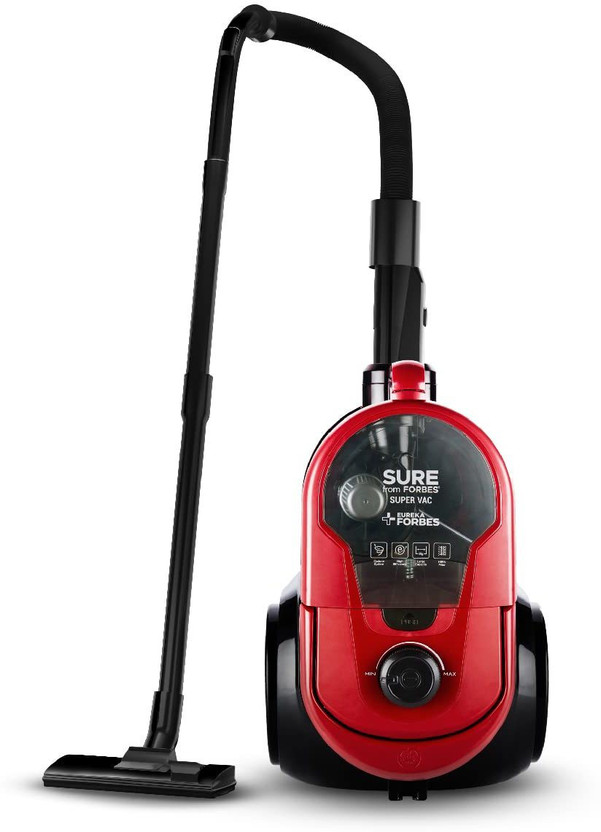
Eureka Forbes Super Vac Bagless
Eureka Forbes
Buyers who prioritise a technician-backed warranty over headline specifications
View details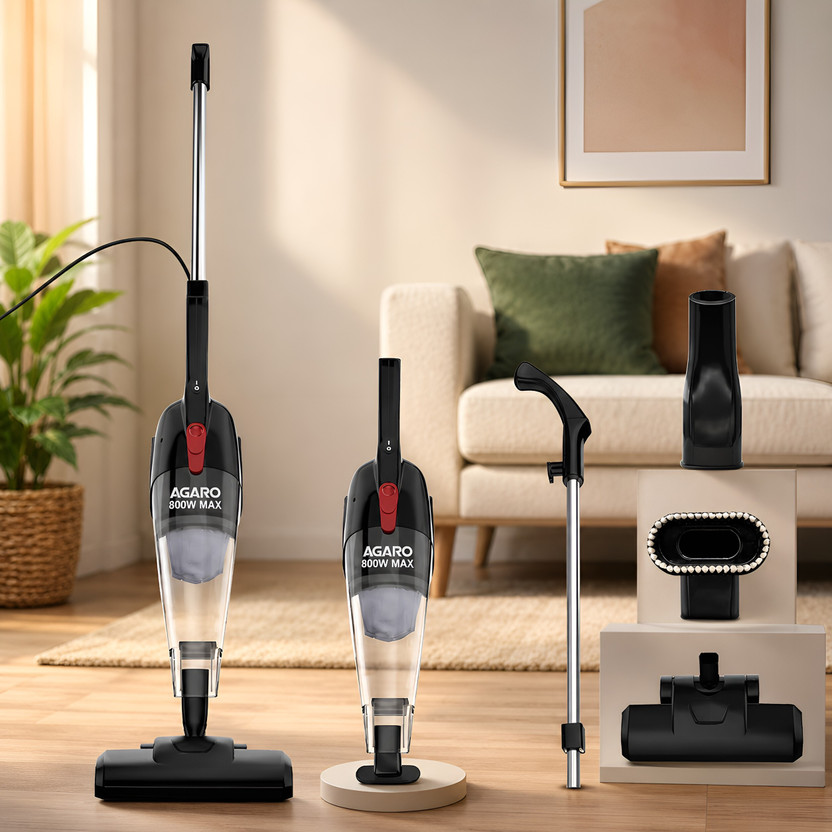
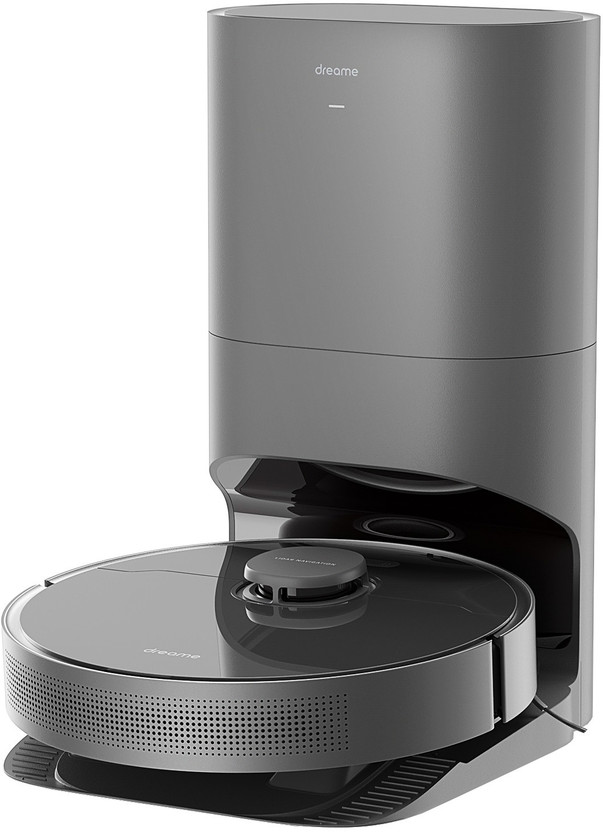
Dreame D10s
Dreame
Homes wanting serious LiDAR robot vacuuming without paying for a full auto-wash dock
View details